

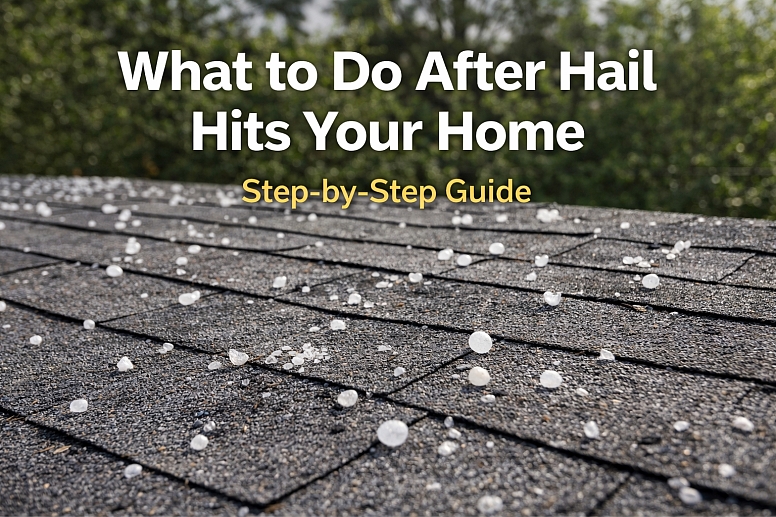
What to Do After Hail Hits Your Home
Hailstorms can strike with little warning, leaving homeowners scrambling to assess the damage and figure out what comes next. The aftermath can feel overwhelming. You're standing there looking at potential damage to your roof, siding, and windows, wondering where even to start.
Quick, informed action makes all the difference between a smooth recovery and months of frustration with repairs and insurance claims. When you understand the proper procedures and know what steps to prioritize, you'll protect both your home and your financial interests.
Assess the Immediate Safety Situation
Safety comes first, always. Before you start inspecting damage or taking photos, make sure everyone in your household is safe, and your property isn't presenting any immediate dangers. Hailstorms typically accompany severe weather that can knock down power lines, damage gas lines, or compromise your home's structural integrity.
Do you smell gas? See any sparking electrical equipment or downed wires? If so, get everyone out immediately and call emergency services.
Document All Visible Damage Thoroughly
Here's where your smartphone becomes your best friend. Comprehensive documentation isn't just helpful for your insurance claim; it's essential, serving as your primary proof of what the hail did to your property.
Start by taking wide shots of your entire property from different spots around your yard to show the overall damage picture. Then zoom in closer for detailed images of specific damage to your roof, siding, windows, gutters, outdoor equipment, and even your vehicles if they were caught in the storm.
Contact Your Insurance Company Promptly
Getting in touch with your insurance carrier quickly isn't just a good idea; it's crucial for protecting your coverage rights and getting your claim moving. Most policies have specific timeframes for reporting damage, and waiting too long can seriously complicate things or even put your claim at risk. When you make that call, have your policy number handy and be ready to give them a general rundown of what you're seeing.
- Ask the important questions:
- What are your coverage limits?
- What's your deductible?
- Are there specific procedures you need to follow for hail damage?
- Will they cover temporary repairs while you're waiting for permanent fixes?
Take detailed notes during the conversation, write down your claim number, the adjuster's name and contact info, and any deadlines they mention.
Arrange Professional Roof Inspections
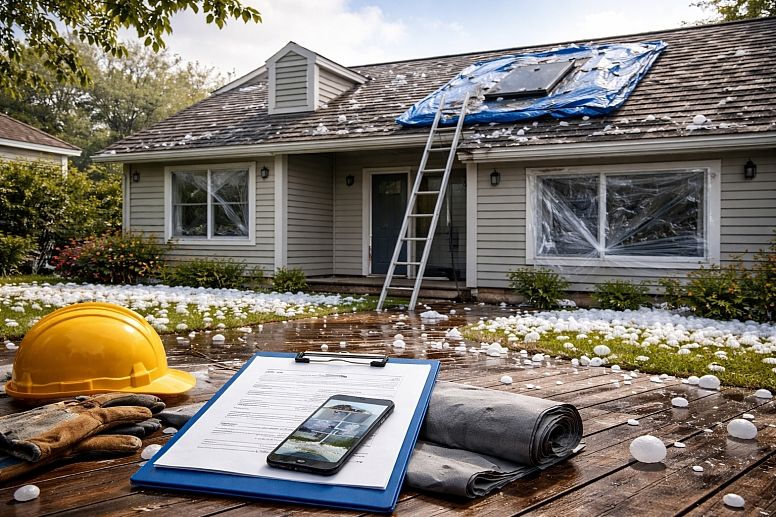
Sure, you can spot obvious damage from your yard, but a thorough professional inspection reveals the issues you can't see from the ground, and those hidden problems can cause serious headaches down the road. Qualified roofing contractors bring expertise, proper equipment, and a trained eye that catches subtle hail impact signs most homeowners would miss completely.
These professionals identify compromised shingles, damaged flashing, weakened seals, and structural concerns that aren't visible unless you know exactly what you're looking for. When they're inspecting extensive hail damage, professionals evaluate whether simple repairs will cut it or if a complete roof replacement makes more sense as a long-term solution, considering factors like your roof's age, how widespread the damage is, and the likelihood of leaks developing later. Schedule roof inspections with several reputable contractors to get multiple perspectives and competitive estimates.
Make certain any contractor you're considering is properly licensed, carries insurance, and has specific experience with hail damage evaluation and repair, not just general roofing work. Request detailed written estimates that break down all necessary repairs, list specific materials, and show associated costs.
Watch out for those storm chasers who suddenly appear in your neighborhood after hail events, going door-to-door with urgent-sounding pitches; they often lack established local reputations and might do shoddy work before skipping town.
Take Immediate Steps to Prevent Further Damage
Your insurance policy almost certainly requires you to take reasonable steps to prevent additional damage after a hail event, and honestly, you'd want to do this anyway to protect your home. This means tackling urgent issues like broken windows, punctured roofing, or damaged siding that could let water in or create security problems.
- Cover those broken windows with plywood or heavy-duty plastic sheeting, securing everything with tape or boards, so it stays put.
- Get tarps over damaged roof sections, making sure they're properly weighted or secured to handle more wind and rain.
Navigate the Insurance Claim Process
When your insurance adjuster finally schedules their property inspection, you'll want to be prepared with all your documentation organized and ready to review. The adjuster conducts their own assessment to figure out what damage is covered and calculate repair costs based on your specific policy terms.
Be there during this inspection; you need to make sure they see all the damage, and you want the chance to ask questions about how they're determining coverage. Don't feel like you must accept the initial settlement offer if it seems too low or doesn't adequately cover what you're facing.
Recovering from hail damage doesn't have to be a nightmare if you tackle it methodically and stay organized throughout the process. By putting safety first, documenting everything thoroughly, getting your insurance company involved quickly, bringing in professional inspectors, preventing additional damage, and actively managing your claim, you're setting yourself up for the best possible outcome.
Just remember that patience matters here; insurance claims and repairs typically take weeks or sometimes even months to work through completely.
Don't hesitate to bring in professionals like experienced contractors, public adjusters, or even legal advisors if you hit roadblocks with your claim or start feeling overwhelmed by the whole process.
Categories
Recent Posts









0.0868