
Why Bold Visuals Work in Clean Interior Layouts
Clean interior layouts are often associated with restraint, order, and visual calm, but that does not mean they need to feel flat or forgettable. In fact, pared-back spaces often benefit most from one or two confident visual elements because the surrounding simplicity gives them room to stand out.
Bold visuals can introduce character, structure, and energy without undermining the clarity that makes clean interiors appealing in the first place.
Creates A Clear Focal Point
One reason bold visuals work so well in clean interiors is that they give the eye an obvious place to land. In a space with simple lines, limited ornament, and a controlled palette, a strong artwork, graphic form, or statement immediately establishes hierarchy. That helps the room feel intentional rather than unfinished.
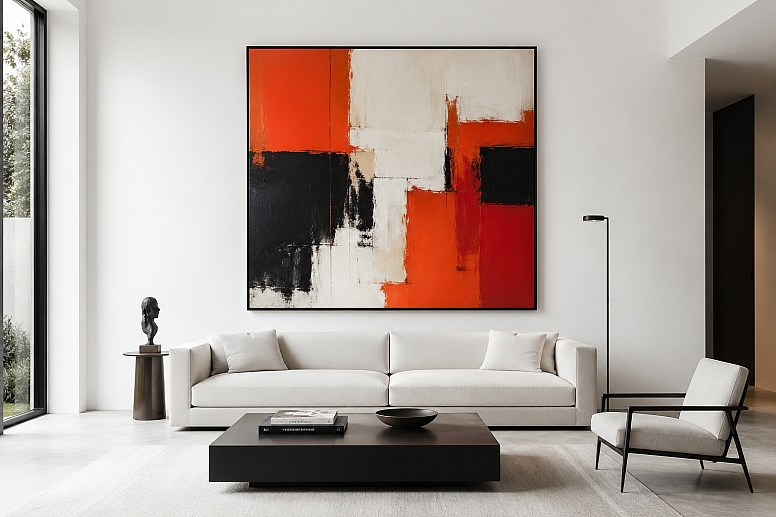
Pieces such as abstract canvas art often sit naturally within clean interior schemes because they introduce contrast and character without disrupting the overall sense of order. In a pared-back room, the visual weight of a bold piece can shape the atmosphere, anchor nearby furniture, and stop the space from feeling too sparse or overly cautious.
Adds Depth Without Adding Clutter
Clean interiors depend on discipline, but discipline can sometimes slip into sameness when every surface, tone, and object is too visually restrained. Bold visuals solve that problem by adding contrast and interest without increasing physical clutter. A striking wall piece, oversized form, or strong tonal block can do more for a room than several smaller decorative items competing for attention.
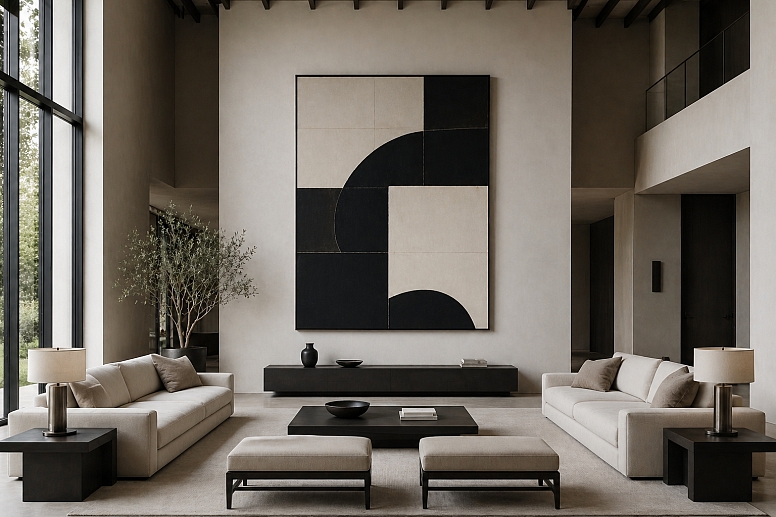
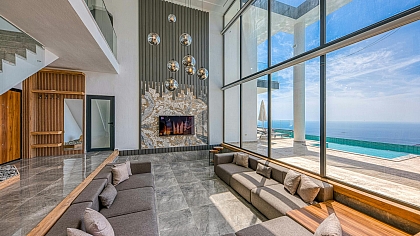
That is especially useful in layouts designed around open space and breathing room. Instead of filling corners with extra accessories, a single bold element can introduce richness while preserving the simplicity of the overall plan. The result is a room that still feels clean, but not empty.
Strengthens Spatial Balance
Bold visuals also help balance a room by responding to scale. Clean interiors often feature large walls, uninterrupted sightlines, and broad surfaces, which can make smaller decorative choices feel lost. A bolder visual gesture can hold its own within that architectural openness and keep the room feeling proportionate.
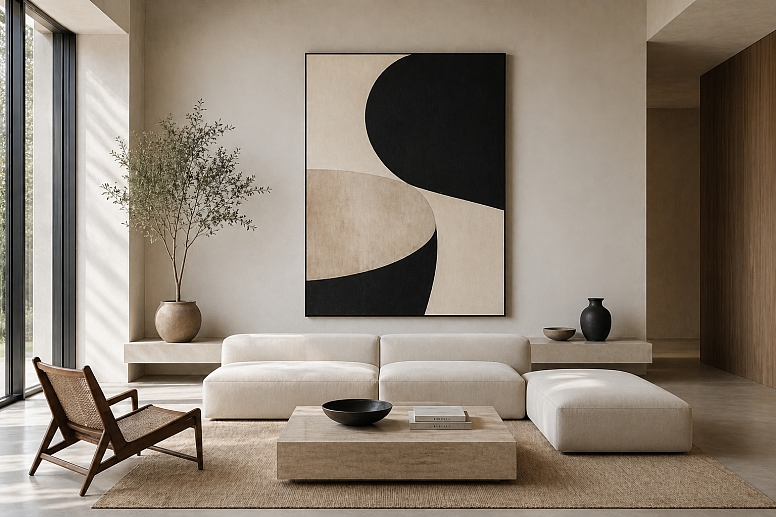
This matters in both residential and commercial settings. In a living area, it may help a seating arrangement feel grounded. In a reception space or meeting room, it can stop the environment from feeling too neutral or impersonal. Strong visuals can therefore support the spatial logic of the room, not just its decorative layer.
Brings Personality To Restrained Schemes
A clean layout usually reduces visual noise, which means every choice carries more weight. That creates a strong opportunity for bold visuals such as canvas prints to express personality. Whether the room leans contemporary, coastal, industrial, or softly modern, a more assertive visual feature can communicate taste and atmosphere far more effectively than multiple minor styling decisions.
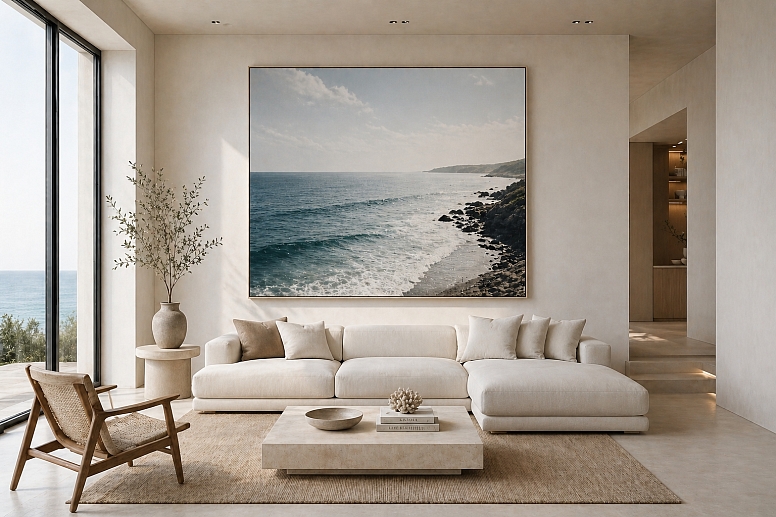
This is one reason minimalism does not always mean absence. It often means editing carefully so that the remaining elements have greater impact. Bold visuals work within that principle because they allow a room to feel individual and memorable while still respecting the discipline of a clean layout.
Highlights Material And Colour Contrast
Bold visuals are also effective because they sharpen the relationship between surrounding materials and colours. In a clean room, where finishes may already be limited to timber, stone, metal, plaster, or glass, a strong visual element can bring those textures into clearer conversation. It gives contrast a purpose rather than making it feel accidental.
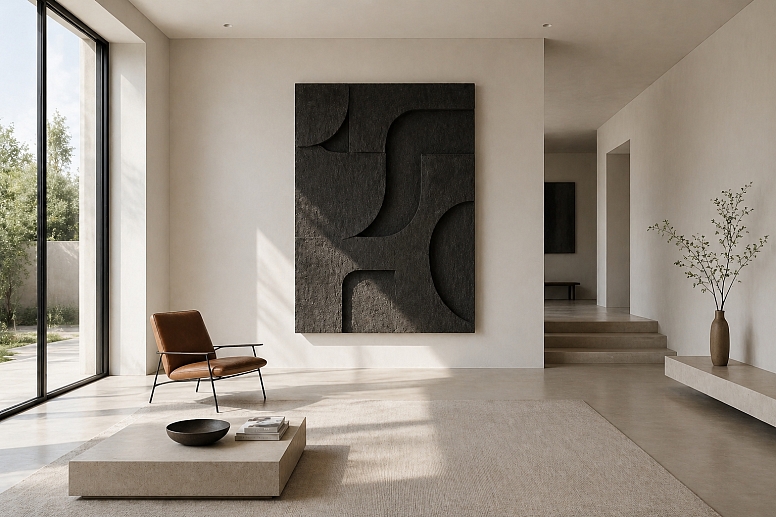
That contrast may come through scale, line, colour intensity, or composition. Against soft neutrals or crisp architectural detailing, a bolder piece can emphasise the calm around it while also breaking any monotony. In that sense, the bold element does not fight the clean layout. It helps define why the layout works.
Where Clean Design Gains More Impact
Bold visuals work in clean interior layouts because they introduce focus, contrast, scale, and personality without disturbing the order of the space. Rather than creating a mess, they often make restrained environments feel more balanced and more purposeful. When used well, they show that clean design does not have to rely on silence alone. It can speak clearly through one confident visual decision.
LEAVE A COMMENT
Recent Posts






0.1563