


Comprehensive Building Inspection
Why It’s Essential for Property Owners
Owning property is a significant investment, whether it’s a residential home, a commercial facility, or a multi-unit complex. With ownership comes the responsibility of maintaining the structure, ensuring safety, and preserving value. One of the most effective ways to fulfil these responsibilities is through comprehensive building inspections.
These inspections go beyond surface-level evaluations and delve into the core systems and structural components of a property. They are not just a formality but a strategic tool that helps property owners make informed decisions, avoid costly repairs, and comply with legal standards.
Understanding the Scope of a Comprehensive Inspection
A comprehensive apartment building inspection is a detailed assessment of a property’s physical condition. It typically includes evaluations of the foundation, roof, walls, plumbing, electrical systems, HVAC units, insulation, and safety features. Inspectors examine both the interior and exterior of the building, looking for signs of wear, damage, or non-compliance with building codes. The goal is to identify existing issues and anticipate future problems before they escalate.
Unlike basic walkthroughs or visual checks, comprehensive inspections involve specialized tools and techniques. Moisture meters, thermal imaging cameras, and structural load assessments are often used to detect hidden damage. Inspectors may also review documentation such as permits, maintenance records, and renovation histories to gain a full understanding of the property’s condition.
Protecting Structural Integrity
One of the primary benefits of a comprehensive inspection is the protection of structural integrity. Buildings are subject to environmental stressors, ageing materials, and usage patterns that can compromise their stability over time. Cracks in the foundation, sagging beams, or deteriorating roofing materials are early indicators of structural issues. If left unchecked, these problems can lead to significant damage and expensive repairs.
By identifying these concerns early, property owners can take corrective action before the situation worsens. Reinforcing weak areas, replacing compromised materials, and addressing drainage problems are all measures that can extend the life of the building. A structurally sound property is not only safer but also more valuable in the market.
Ensuring Safety and Compliance
Safety is a non-negotiable aspect of property ownership. Comprehensive inspections help ensure that buildings meet local safety codes and regulations. This includes verifying the functionality of smoke detectors, fire extinguishers, emergency exits, and electrical systems. Inspectors also check for hazards such as mould, asbestos, lead paint, and pest infestations that can pose health risks to occupants.
Compliance with building codes is essential for legal and insurance purposes. Properties that fail to meet standards may be subject to fines, legal action, or denial of coverage. Regular inspections provide documentation that can be used to demonstrate compliance and support claims in case of disputes. They also offer peace of mind to tenants, buyers, and stakeholders who rely on the property’s safety.
Preserving Property Value
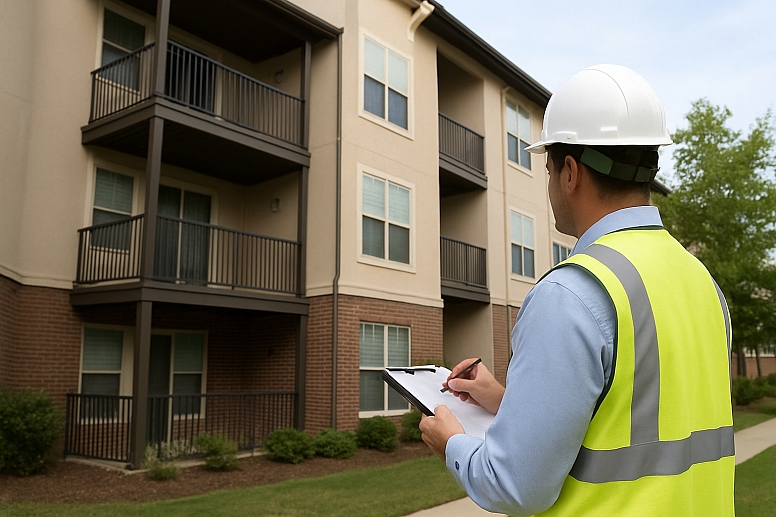
The condition of a building directly affects its market value. Buyers and investors are more likely to pay a premium for properties that are well-maintained and free of major defects. Comprehensive inspections provide a clear picture of the property’s strengths and weaknesses, allowing owners to make strategic improvements that enhance value.
Routine inspections also help prevent depreciation. Small issues like leaky faucets, cracked tiles, or peeling paint may seem minor, but they can accumulate and detract from the property’s appeal. Addressing these problems promptly maintains the building’s aesthetic and functional quality. In competitive markets, a well-documented inspection history can be a powerful selling point.
Supporting Financial Planning
Property maintenance and repairs can be expensive, especially when problems are discovered late. Comprehensive inspections support financial planning by identifying potential expenses in advance. Owners can budget for repairs, upgrades, and preventive measures based on the findings. This reduces the likelihood of unexpected costs and allows for more efficient allocation of resources.
Inspections also inform decisions about insurance coverage and premiums. Insurers often require inspection reports to assess risk and determine appropriate coverage levels. Properties with documented maintenance and safety measures may qualify for lower premiums. Conversely, neglected buildings may face higher rates or limited coverage options.
Enhancing Tenant Satisfaction
For rental properties, tenant satisfaction is closely tied to the condition of the building. Comprehensive inspections help ensure that units are safe, functional, and comfortable. This includes checking plumbing, heating, cooling, lighting, and ventilation systems. Prompt attention to maintenance issues fosters trust and encourages long-term tenancy.
Satisfied tenants are more likely to renew leases, recommend the property to others, and treat the space with respect. This reduces turnover, vacancy rates, and associated costs. Inspections also provide a framework for resolving disputes, as documented findings can clarify responsibilities and support fair resolutions.
Planning for Renovations and Upgrades
Comprehensive inspections are invaluable when planning renovations or upgrades. They reveal the current state of the building and highlight areas that require attention. This information helps prioritize projects, estimate costs, and avoid complications during construction. For example, discovering outdated wiring or hidden water damage before starting a renovation can prevent delays and budget overruns.
Inspections also ensure that upgrades are compatible with existing systems and structures. This is especially important for older buildings where modifications may affect load-bearing walls, plumbing routes, or electrical capacity. A thorough understanding of the property’s condition supports smarter, safer, and more efficient improvements.
Comprehensive building inspections are an essential practice for property owners who want to protect their investment, ensure safety, and maintain value. They provide a detailed understanding of the property’s condition, support compliance with regulations, and guide financial and strategic decisions.
Whether you own a single-family home, a commercial facility, or a multi-unit complex, regular inspections are a proactive measure that pays dividends in the long run.
By prioritizing thorough evaluations and timely maintenance, property owners can enjoy greater peace of mind, financial stability, and long-term success. Ensure your building stays compliant and safe year-round by scheduling a certified parapet inspection through https://nycparapetsinspection.com/.
Categories
Recent Posts








0.0871