


Do I Need Interior or Exterior Waterproofing?
When water begins finding its way into your basement, one of the first questions homeowners ask is whether they need interior waterproofing or exterior waterproofing. Both systems are effective, but they serve different purposes and solve different types of moisture problems. Understanding how each method works—and when it should be used—can help you protect your home, prevent structural damage, and avoid costly repairs down the road.
If you’re searching for help with basement waterproofing in Indianapolis, this guide will give you clarity before calling a professional.
Understanding Interior Waterproofing
Interior waterproofing focuses on managing water after it has reached the foundation wall, but before it gets into your living space. Instead of trying to stop water at the exterior, interior systems safely collect, redirect, and remove moisture using engineered drainage.
The most common interior solutions include:
- Interior drain tile systems
- Sump pumps
- Vapor barriers
- Dehumidifiers
- Crack injections for minor wall leaks
Interior waterproofing is ideal for homes dealing with hydrostatic pressure, which is water pushed up from below the foundation. It’s also the most cost-effective approach for basements with recurring seepage, small wall cracks, or damp walls.
Homeowners often choose interior waterproofing because:
- It’s less expensive than exterior excavation
- It can be completed year-round
- It doesn’t require digging up landscaping, driveways, or patios
- It is extremely effective at preventing basement flooding
Interior systems are excellent for managing water, but they do not stop water from touching the exterior of the foundation. That’s where exterior waterproofing comes in.
Understanding Exterior Waterproofing
Exterior waterproofing focuses on stopping water before it ever reaches the basement walls. This option typically involves excavation around the home’s foundation to expose the wall surface, followed by applying waterproof membranes, drainage boards, and gravel backfill.
Exterior waterproofing is ideal when:
- The foundation walls have structural cracks
- Water penetrates through porous block walls
- Grading and soil conditions direct water toward the home
- You want a long-term barrier that prevents water from touching the foundation
Because it involves excavation, exterior waterproofing is more costly. However, it can be the most effective long-term solution for homes with severe water intrusion or deteriorating exterior coatings.
Which Waterproofing Method Do You Need?
Choosing between interior and exterior waterproofing depends on the source of your water problem, the condition of your foundation, and your long-term plans for the home.
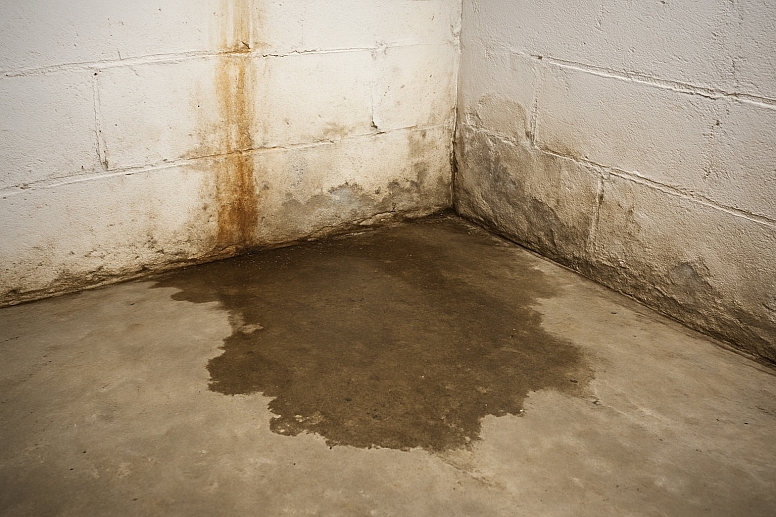
You likely need interior waterproofing if:
- Water shows up where the wall meets the floor
- You experience occasional basement flooding
- You want a cost-efficient solution for persistent moisture
You likely need exterior waterproofing if:
- Water seeps through cracks or wall surfaces
- The foundation has never been waterproofed
- You want complete protection before finishing a basement
For homeowners seeking basement waterproofing in Indianapolis, the best approach often involves a professional evaluation. Many homes benefit from a combination of both systems for maximum protection, especially in areas with fluctuating water tables or clay-rich soils like central Indiana.
A waterproofing expert can identify the true source of your moisture issues and recommend the right approach—ensuring your basement stays dry, healthy, and protected for years to come.
Categories
Recent Posts





0.095