
How Turkish Rugs Define Spatial Warmth & Acoustic Comfort
In both the interior design and architecture worlds, texture involves so much more than basic aesthetic details—because it’s essentially a sensory language that shapes how people experience properties.
And while most architects tend to prioritize factors like proportion, structure and light, many more tactile décor elements are equally as important in terms of bringing a room to life.
Among these more tactile elements are Turkish area rugs, and the good news for architects and professional designers is that finding high-quality turkish rugs online has never been easier than it is today.
Below we’ll be delving deeper into how Turkish rugs help homes and businesses in terms of adding acoustic comfort, warmth and visual depth!
The Architectural Roles Associated With Texture
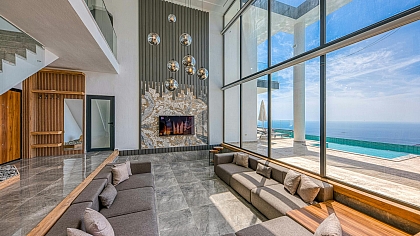
There’s absolutely no denying how texture has a major influence on how we all perceive atmosphere, comfort and scale. Smooth marble floors will surely showcase an element of sophistication, but these types of spaces might come off as uninviting when they aren’t properly contrasted with tactile elements.
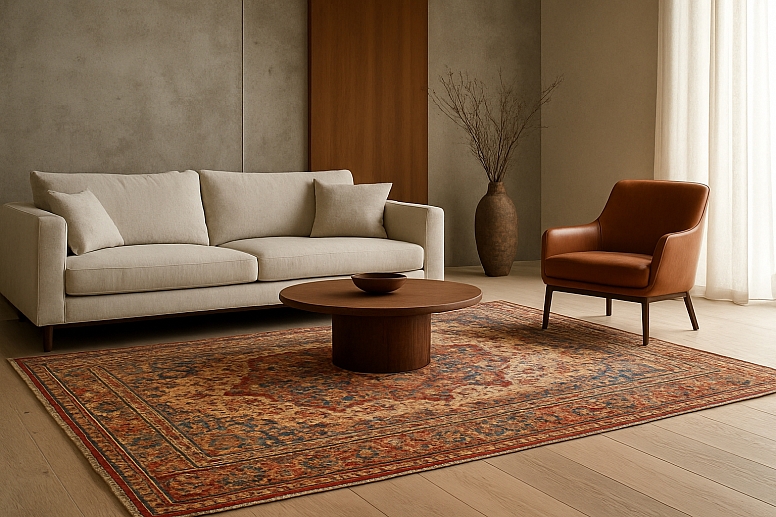
This is exactly where Turkish area rugs excel in the décor world, because they do a wonderful job at introducing a soft layer that contrasts architectural rigidity. This has a lot to do with the woven surfaces and how each Turkish rug absorbs light in different ways.
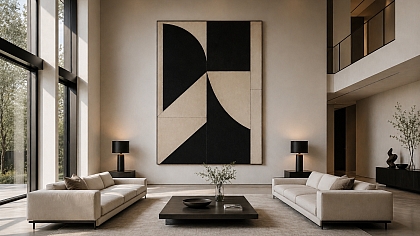
In modern minimalist spaces, Turkish rugs are often a counterpoint that brings a sense of humanity to the glass, steel and concrete often found within these stylish rooms. And even in more traditional spaces, Turkish rugs have a way of reinforcing material richness.
So, no matter what type of property you have, texture is like the cherry on top of your architectural designs by being the mediator between all sorts of soft and hard elements!
Warmth Beyond Colors
When you hear professional designers talk about phrases like warmth, they typically refer to décor elements like lighting or color temperature; however, it’s also important to note that things like emotional warmth also come from material presence as well.
Most authentic Turkish rugs are made from world-class wool, which means that they have unparalleled insulation properties. These rugs are capable of retaining heat during the cold winter months and regulating underfoot temperature, and this always helps make homes feel more comfortable.
And beyond their basic thermal functionality, Turkish rugs also provide psychological warmth through the hand-knotted designs telling stories of tradition and craftsmanship. Even in expansive architectural volumes, these area rugs can create an inviting sense of intimacy due to the incredible history associated with rug designs.
Spatial Definition & Acoustic Comfort
Open-concept floor plans have become incredibly popular in both residential and commercial spaces throughout recent years, and this can often make acoustic management a bit of a design challenge.
It’s no secret how hard surfaces create echoes and reflect sounds, which can make rooms feel a lot emptier than they actually are. Turkish rugs do a great job at diffusing these sounds and naturally absorbing reverberations, which subsequently improves a property’s acoustic quality.
And from a spatial perspective, area rugs also do a great job at defining specific boundaries that don’t have walls. This can include anchoring seating areas in living rooms, delineating quiet spaces in home offices, and ushering in a welcoming vibe to foyers.
So, in many ways, Turkish rugs are sort of like soft architecture by supporting spatial logic and design acoustics!
World-Class Craftsmanship Meets Modern Designs
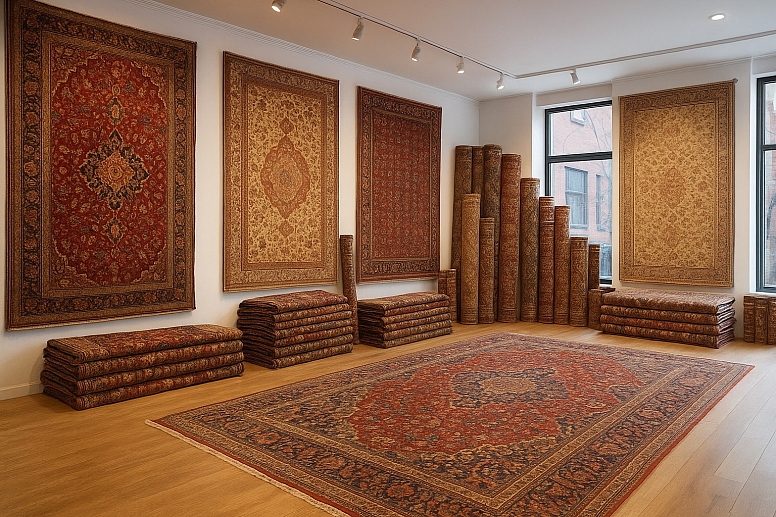
Another thing that’s incredible about Turkish rugs is their representation of artisanal knowledge that’s been passed down from generation to generation for several centuries.
Handmade area rugs often carry all sorts of symbolic meanings that include cultural storytelling within modern décor environments.
This is why both designers and architects are now incorporating these types of elements to add layers of artistry and history into spatial narratives!
Turkish Rugs Are Becoming A Game-Changing Architecture Trend!
It’s safe to say that Turkish rugs are a lot more than just floor coverings, because they’re also beautiful textural bridges between experience and structure.
Countless properties benefit from these woven surfaces, softening architectural edges and regulating a space’s acoustics, because this subsequently ushers in the type of emotional warmth that every home needs.
And for designers and architects looking to make spaces feel just as good as they appear, embracing texture within architecture is absolutely essential for future success!
Categories
Recent Posts





0.112