
Retail Display Trends That Are Shaping Shopping Experiences
The retail industry is constantly evolving, driven by changing consumer behavior, technological advancements, and competitive pressures. One of the most impactful aspects of modern retail is the in-store display. Well-designed displays attract attention, enhance the shopping experience, and influence purchasing decisions. Retailers who stay ahead of display trends are better positioned to engage customers and boost sales.
In today’s market, customers seek more than just products—they want experiences. Retail displays must be visually appealing, functional, and aligned with brand identity. Innovative displays help stores stand out from competitors and create lasting impressions that drive loyalty.
The Importance of Modern Retail Displays
Retail displays serve as the visual language of a store. They communicate brand values, highlight key products, and guide customer flow. Modern displays are increasingly interactive, engaging, and adaptable to different marketing goals. Stores that invest in innovative displays often see increased customer engagement and higher conversion rates.
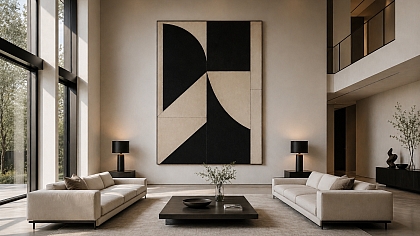
Embracing Minimalism and Open Space
Minimalist display designs have gained popularity as they allow products to shine without overwhelming customers. Clean lines, neutral colors, and uncluttered layouts help create an inviting environment that encourages browsing.
Open spaces between displays improve visibility, making it easier for customers to explore the store. Retailers are increasingly using sleek, modern Commercial Furniture to achieve minimalist layouts that are functional and aesthetically appealing.
Rtdisplay is the professional store fixtures & retail displays manufacturer. We can provide customized retail shop displays for sale.
Incorporating Technology in Displays
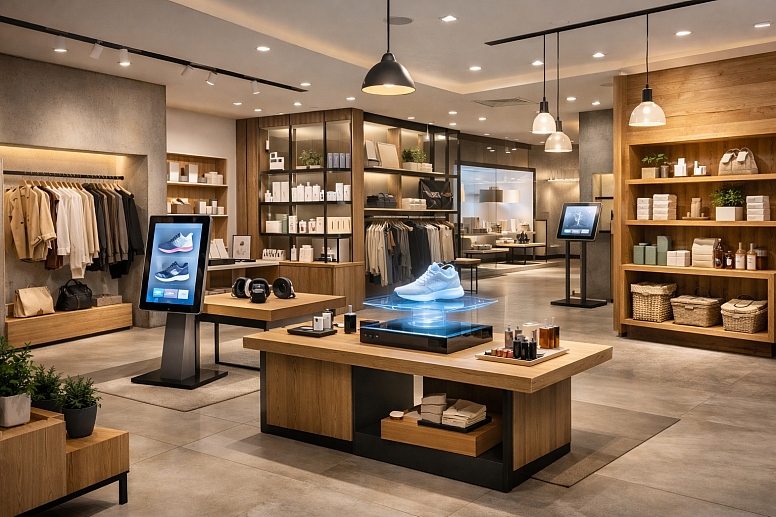
Technology-driven displays, such as digital signage, interactive screens, and augmented reality experiences, are reshaping how customers engage with products. Digital displays can showcase promotions, demonstrate product features, or provide personalized recommendations.
While technology adds an exciting layer, it must complement physical fixtures rather than replace them. Combining digital solutions with high-quality physical displays creates a seamless and engaging customer experience.
Sustainability and Eco-Friendly Materials
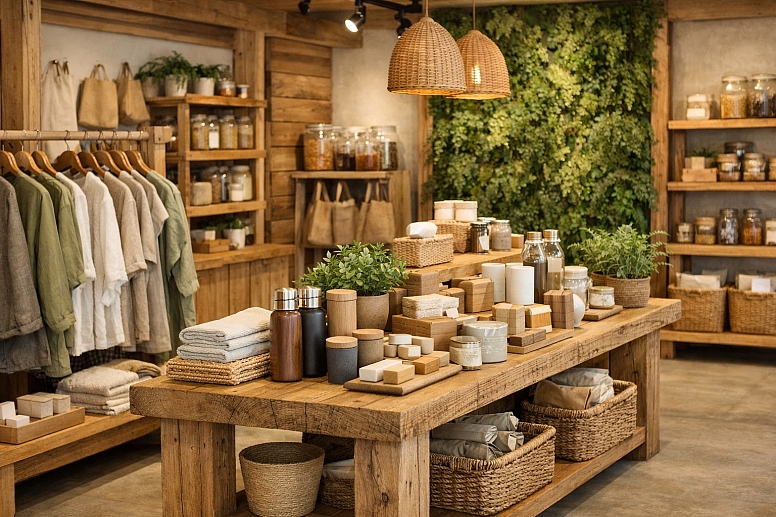
Consumers increasingly value sustainability. Retailers are adopting eco-friendly materials and designs to appeal to environmentally conscious shoppers. Wooden displays, recycled materials, and energy-efficient lighting communicate a commitment to sustainability.
Using Wooden Displays adds natural warmth to retail spaces and aligns with eco-conscious branding. Wood is versatile, durable, and timeless, making it a popular choice for modern display design.
Interactive and Experiential Displays
Interactive displays encourage hands-on engagement, helping customers connect with products on a personal level. Touch screens, product demos, and try-before-you-buy stations are becoming standard in modern retail environments.
Experiential displays are particularly effective for high-involvement products, such as cosmetics, electronics, and fashion. They allow customers to test products, explore features, and gain confidence before purchasing.
Modular and Flexible Fixtures
Flexibility is key in modern retail. Modular displays allow retailers to adapt layouts for seasonal campaigns, promotions, or changing inventory. Adjustable shelves, movable racks, and modular units make it easier to refresh store layouts without significant renovation costs.
Flexible displays also help optimize small retail spaces, maximizing both storage and visual appeal. Retailers can quickly respond to trends, ensuring that their stores remain dynamic and engaging.
Storytelling Through Product Arrangement
Storytelling is an essential part of contemporary display strategy. Grouping complementary products together tells a cohesive narrative, helping customers envision how products fit into their lifestyle.
For example, a display in a fashion store might combine clothing, accessories, and footwear to create a complete outfit. In a home décor store, complementary furniture and decorative items can showcase a coordinated design aesthetic. Storytelling increases customer engagement and boosts cross-selling opportunities.
Lighting Trends in Modern Displays
Lighting is a powerful tool for creating atmosphere and highlighting products. Modern retail displays use layered lighting strategies, combining ambient, accent, and task lighting to enhance the shopping experience.
Strategic lighting draws attention to premium items, creates depth, and influences customer perception of product value. Retailers who integrate lighting with Commercial Furniture and other fixtures achieve a polished and professional appearance.
Personalized and Targeted Displays
Retailers are increasingly creating personalized displays to cater to specific customer segments. Targeted displays based on demographics, purchase history, or seasonal preferences enhance relevance and improve engagement.
Personalized displays create a sense of connection with shoppers, making them more likely to explore and purchase products. Digital tools, combined with high-quality physical fixtures, can help retailers achieve this level of personalization.
The Rise of Omnichannel Integration
Modern retail displays are increasingly integrated with online and mobile channels. QR codes, in-store tablets, and mobile apps allow customers to access product information, reviews, and promotions instantly.
Displays that bridge the gap between physical and digital experiences provide convenience and enrich the overall shopping journey. This integration strengthens brand consistency and supports a seamless omnichannel strategy.
Modern retail display trends focus on engagement, flexibility, sustainability, and storytelling. From minimalist designs and interactive technology to wooden displays and personalized experiences, retailers have numerous tools to create compelling shopping environments.
By adopting these trends, retailers can increase foot traffic, enhance customer satisfaction, and drive sales. Strategic investment in modern displays not only improves immediate performance but also strengthens brand identity and fosters long-term loyalty.
Ultimately, retail displays are an architectural expression of how a space is built, experienced, and remembered. From the structure of fixtures to the flow of movement and the use of materials, modern display design sits at the intersection of architecture, building, and interior design. Thoughtfully designed retail environments balance form and function, transforming commercial spaces into purposeful, immersive places
As retail continues to evolve, the collaboration between designers, architects, and builders will remain essential in creating stores that are not only visually compelling but also structurally intelligent, adaptable, and aligned with the way people interact with spaces.
Categories
Recent Posts



0.1036