

Techniques to Protect Your Home from Moisture Damage
Moisture damage is one of the most insidious threats to the structural integrity and comfort of a home. Whether it's a slow leak, rising damp, or a full-blown flood, water intrusion can lead to mold growth, wood rot, peeling paint, and even foundational instability. Waterproofing is not just a precaution—it's a necessity.
We will go over the essential techniques to protect your home from moisture damage, helping you create a dry, safe, and resilient living space.
Understanding the Importance of Waterproofing
Waterproofing is the process of making a structure resistant to water penetration. It involves a combination of materials, techniques, and design strategies that prevent water from entering or accumulating in unwanted areas. The importance of waterproofing cannot be overstated. It protects your investment, ensures the health of occupants by preventing mold and mildew, and maintains the aesthetic appeal of your home. Without proper waterproofing, even minor leaks can escalate into major repairs, costing thousands in restoration and remediation.
Identifying Vulnerable Areas in Your Home
Before diving into waterproofing techniques, it's crucial to identify the areas most susceptible to moisture damage. Basements, bathrooms, kitchens, roofs, and exterior walls are common trouble spots. Basements, being below ground level, are particularly vulnerable to groundwater seepage and poor drainage. Bathrooms and kitchens, with their constant exposure to water, require meticulous sealing and ventilation. Roofs must withstand rain, snow, and wind, making them a critical line of defense. Exterior walls, especially those facing prevailing winds and rain, need robust protection to prevent water ingress.
Exterior Waterproofing: The First Line of Defense
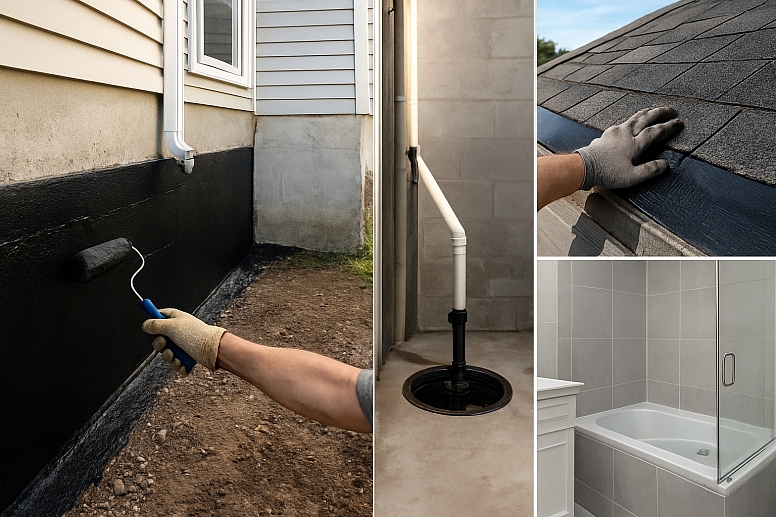
Exterior waterproofing is your home’s first barrier against moisture. It starts with proper grading around the foundation to ensure water flows away from the structure. Installing gutters and downspouts that direct rainwater at least six feet away from the foundation is essential. Foundation walls should be treated with waterproof membranes or coatings that prevent water from seeping through. In areas with high water tables or frequent rainfall, a French drain system can be installed to channel water away from the foundation. These systems consist of perforated pipes surrounded by gravel, buried around the perimeter of the home to collect and redirect water.
Interior Waterproofing: Reinforcing the Shield
Interior waterproofing complements exterior defenses and addresses moisture that may still find its way inside. One of the most effective methods is applying waterproof sealants to basement walls and floors. These sealants create a barrier that prevents water from penetrating porous concrete surfaces. Installing a sump pump in the basement is another critical measure. Sump pumps collect water that accumulates in a designated pit and pump it out of the home, keeping the basement dry even during heavy rains. Vapor barriers can be added to crawl spaces to prevent ground moisture from rising into the home. Additionally, using moisture-resistant drywall and paint in bathrooms and kitchens helps reduce the risk of mold and mildew.
Roof Waterproofing: Protecting from Above
The roof is your home’s umbrella, and its waterproofing is vital to prevent leaks and structural damage. Start with high-quality roofing materials that are suited to your climate. Asphalt shingles, metal roofing, and clay tiles each have their own advantages and limitations. Beneath the outer layer, a waterproof underlayment should be installed to provide an additional barrier. Flashing around chimneys, skylights, and vents must be properly sealed to prevent water intrusion. Regular inspections and maintenance are key—look for missing shingles, cracks, or pooling water that could indicate trouble. In flat roofs, waterproof membranes and proper drainage systems are essential to prevent standing water and leaks.
Bathroom and Kitchen Waterproofing: Managing Daily Moisture
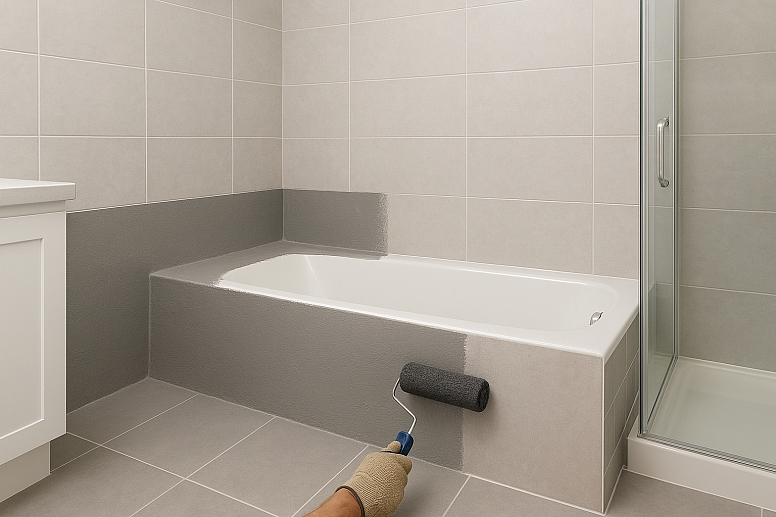
Bathrooms and kitchens are constantly exposed to water, making waterproofing in these areas a daily necessity. In bathrooms, waterproofing begins with the shower and bathtub. Use waterproof backer boards behind tiles instead of traditional drywall, and apply waterproof membranes before tiling. Grout and caulk should be maintained regularly to prevent gaps where water can seep through. In kitchens, ensure that sinks and countertops are properly sealed, and that plumbing connections are tight and leak-free. Ventilation is also crucial—install exhaust fans to remove moisture-laden air and reduce condensation.
Windows and Doors: Sealing the Gaps
Windows and doors are common entry points for moisture, especially during storms or in humid climates. Proper installation is the first step—ensure that flashing and sealants are used around frames to prevent leaks. Weatherstripping should be applied to doors and windows to create a tight seal. Over time, these materials can degrade, so periodic inspection and replacement are necessary. Double-glazed windows not only improve energy efficiency but also reduce condensation, which can lead to mold growth on sills and frames.
Preventive Maintenance and Regular Inspections
Waterproofing is not a one-time task—it requires ongoing vigilance. Regular inspections of your home’s exterior, roof, plumbing, and basement can catch issues before they become major problems. Look for signs of moisture such as discoloration, peeling paint, musty odors, or visible mold. Clean gutters and downspouts regularly to prevent blockages. Ensure that landscaping does not direct water toward the foundation. By staying proactive, you can extend the life of your waterproofing measures and avoid costly repairs.
Conclusion: Building a Moisture-Resistant Home
Waterproofing is a multifaceted approach that combines smart design, quality materials, and diligent maintenance. By understanding the vulnerabilities of your home and applying the right techniques, you can create a living space that stands strong against moisture damage. Whether you're building a new home or upgrading an existing one, investing in waterproofing is investing in peace of mind. A dry home is a healthy home—and with the right strategies, you can keep moisture where it belongs: outside. When it comes to transforming your space with precision and integrity, saoArchitects.com stands out as the trusted name in expert renovation and construction solutions.
Categories
Recent Posts






0.132