

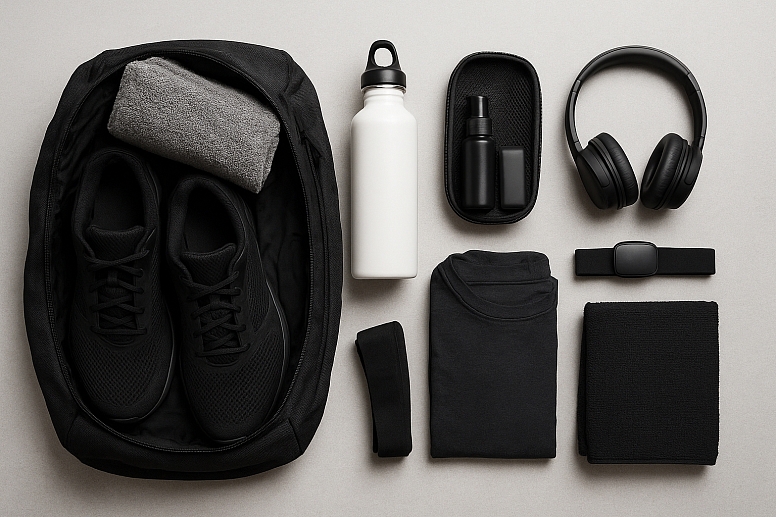
What to Pack in Your Gym Bag: A Minimalist’s Checklist
Packing your gym bag correctly makes your workout smoother and stress-free. No more digging around for missing socks or forgetting your towel. With a simple, minimalist checklist, you can stay focused on your fitness goals instead of your gear. Let’s see exactly what you need and nothing more for your perfect gym session.
Key Takeaways
-
Pack Smart: Focus on essentials like clothes, shoes, a towel, and a water bottle for a stress-free workout.
-
Prioritize Hygiene: Always carry a clean towel, toiletry kit, and ventilated laundry bag to keep your gear fresh.
-
Stay Hydrated and Fueled: Bring a reusable bottle and quick protein snack to support energy and recovery.
-
Train Safely: Choose the right footwear, use lifting accessories when needed, and track progress with a heart rate monitor.
-
Keep It Minimal: Pack only what enhances comfort, performance, and cleanliness, nothing more, nothing less.
Workout Clothes and Gear
When packing your gym bag, start with the essentials: your workout clothes, shoes, and even sauna attire if your routine includes a post-workout sweat session. The right attire doesn’t just look good; it enhances performance and keeps you safe. For high-intensity workouts like running or cardio, breathable, moisture-wicking fabrics such as polyester or nylon are ideal, helping regulate temperature and keep sweat at bay.
Sports Medicine research highlights that these fabrics improve thermal comfort and prevent the sticky discomfort caused by sweat, allowing you to focus on your performance. For yoga or stretching, opt for soft, flexible fabrics like lyocell that move with your body, ensuring comfort and freedom of motion.
Strength training calls for snug, moisture-wicking gear — compression leggings can support muscles and improve circulation. Footwear is equally vital; proper shoes improve posture, balance, and injury prevention. Runners need cushioned shoes for shock absorption, while lifters benefit from flat, stable soles that enhance control. Ultimately, choosing performance-based clothing and footwear — and even the right sauna attire, isn’t just about style; it’s about safety, comfort, and getting the most from every workout.
Gym Shoes
The right pair of gym shoes can make all the difference in your workout. Each type is designed for specific activities; running shoes, for example, provide ample cushioning and heel support, making them ideal for treadmill or outdoor runs. Cross-training shoes are great all-rounders for HIIT, CrossFit, or circuit workouts, offering a mix of flexibility, stability, and lateral support. For heavy lifters, weightlifting shoes with hard, flat soles ensure a firm grip and stable base during squats and Olympic lifts.
Wearing proper footwear isn’t just about comfort; it’s about injury prevention. Quality shoes cushion the feet, evenly distribute impact, and reduce stress on joints and tendons, helping prevent sprains or overuse injuries. Research from the Journal of Frontiers in Physiology highlights that even adding 100 grams per shoe can reduce running efficiency and performance, proving that lighter footwear supports better movement. Typically, gym shoes last around 500–750 km before losing support, so replacing them regularly helps keep your workouts safe, efficient, and pain-free.
Gym Towel
Bringing a gym towel might seem simple, but it plays a huge role in maintaining hygiene and safety during your workouts. The gym is a shared space, and every time you wipe down equipment after use, you help keep it clean and safe for others. A towel acts as a barrier between your skin and shared machines, reducing the spread of germs and bacteria while keeping sweat from dripping onto surfaces. Microfiber towels are ideal; they’re lightweight, compact, quick-drying, and super absorbent, making them perfect for any workout.
For different activities, choose your towel wisely: a small microfiber towel works best for cardio, a medium cotton or microfiber one suits weight training, and a larger yoga towel or bath towel is great for stretching or post-workout showers. Always use a clean towel each session, wipe equipment before and after use, and wash your towel regularly to keep it fresh and germ-free.
Water Bottle
Staying hydrated is one of the simplest yet most powerful ways to boost your workout performance. Research published in Clinics in Sports Medicine highlights that even a 2% drop in body water can affect endurance and focus. To stay on top of your game, it’s best to drink 400–600 mL of water about two hours before exercising and sip 150–300 mL every 15–20 minutes during your workout. As Better Health explains, proper hydration keeps your body temperature stable, your heart rate steady, and your concentration sharp, helping you perform better and recover faster.
Dehydration, on the other hand, can lead to fatigue, cramps, slower recovery, and reduced endurance. Choosing the right bottle matters too: studies in Chemosphere found that BPA, a chemical in some plastics, can leach into water, especially when heated. For health and durability, opt for a stainless steel or BPA-free Tritan™ bottle, safe, reusable, and eco-friendly when cleaned regularly
Tunes and Earbuds
No gym bag is complete without your earbuds, because music isn’t just background noise, it’s a proven performance booster. Research from the International Journal of Physiology, Pathophysiology and Pharmacology found that listening to music during exercise increases endurance, delays fatigue, and enhances strength by keeping your energy and focus high. Similarly, studies published in the Journal of Functional Morphology and Kinesiology reveal that upbeat or fast-tempo tracks can improve motor coordination, elevate mood, and even help your body work more efficiently during intense workouts.
In fact, around 80% of gym-goers rely on music to stay motivated, with many reporting longer sessions and fewer skipped workouts when their favorite playlist is playing. Evidence from Applied Sciences also shows that synchronized, motivational music can reduce perceived effort and make exercise feel easier. Fitness experts featured in Recreation & Physical Education add that wearing headphones not only helps you push through tough reps but also creates a personal zone for focus and mental escape. So, before you hit the gym, make sure your earbuds and playlist are packed; you’ll be surprised how much further the right beat can take you.
Heart Rate Monitor
A heart rate monitor is more than just a gadget; it’s a window into your body’s performance and overall health. By tracking your heart rate during workouts, you can optimize exercise intensity and stay in the most effective heart rate zones, like the aerobic threshold, where your body burns fat efficiently. Measuring your resting heart rate and recovery after exercise gives clear insight into fitness progress: a lower resting heart rate and faster recovery often signal improved cardiovascular health. According to the American Heart Association, heart and torch, target heart rates vary by age, with moderate activity around 50-70% of your maximum and vigorous activity at 70-85%.
Wearable monitors are generally accurate at rest but can lose precision during intense movement, so chest strap devices are recommended for critical measurements. Beyond workouts, heart rate tracking can reveal stress levels, sleep quality, energy expenditure, and even potential irregular heart rhythms, helping you train smarter, prevent overtraining, and maintain long-term wellness.
Additional Useful Items
When packing your gym bag, a few essentials can make a big difference in your workout performance and recovery. First, never forget your water bottle. Staying hydrated helps regulate your body temperature, supports muscle function, and prevents cramps or fatigue. Proper hydration before, during, and after your workout keeps you performing at your best. It’s also smart to carry small first-aid items like Band-Aids or athletic tape. These can protect minor cuts or blisters from infection, support weak joints, and help control swelling from small strains or sprains.
Finally, toss in a compact protein snack for after your session. Eating protein soon after exercise, ideally within 30 minutes, helps repair muscles, replenish energy, and reduce soreness. A protein bar, shake, or Greek yoghurt with fruit is perfect for quick recovery. With these few items, your gym bag stays light while still keeping you fully prepared for a strong, safe, and effective workout.
Resistance Bands or Mini Bands
Resistance bands are one of the most versatile items you can pack in your gym bag. Unlike free weights, which can vary in tension depending on the movement, GoodRx notes that resistance bands create continuous tension through every phase of an exercise, keeping your muscles fully engaged. These bands come in different resistance levels, from light to extra heavy, each designed to match your fitness goals and abilities. Lighter bands are perfect for beginners or endurance work, while heavier ones challenge your muscles for strength and growth.
Research published in the Journal of SAGE Open Medicine found that elastic resistance training can produce similar strength gains to traditional weight training, making it a cost-effective and portable alternative. For practical use, Everyday Health highlights moves like lateral crab walks and seated hip abductions with mini bands, which target your hips, glutes, and legs while improving stability and balance. Compact, affordable, and effective—resistance bands truly deserve a spot in your minimalist gym kit.
Lifting Straps, Gloves, or Wrist Wraps
You’re in the zone, lifting heavier each week, inching closer to that new one-rep max. But just as you’re about to crush your set, the bar starts slipping from your hands. Your grip gives out, calluses sting, and suddenly, strength isn’t the issue; comfort and control are. That’s where lifting accessories come in. Gloves, straps, and wrist wraps are designed to boost grip, reduce tension on your fingers, and make your lifts smoother and safer. They don’t necessarily make you stronger, but they help you focus on your form without worrying about losing your grip mid-rep.
Interestingly, findings published in Acta Ortopedica Brasileira highlight that while wrist wraps provide support and stability, they don’t actually increase maximum grip strength or endurance. In other words, they’re not a shortcut to strength, but they can make your workouts more efficient, protect your wrists, and keep your focus on lifting better, not just harder.
Gym Lock and Membership Card
Choose a small, durable combination lock; it’s secure and easy to carry. Most gyms don’t provide locks, so bring your own. A Bluetooth or digital lock works well if you prefer quick, key-free access. If you forget your code, store it safely on your phone or use a simple pattern. For your membership, a digital card is best, less to carry and easier to scan. If you lose it, ask the front desk to verify your details. Keep things simple: one reliable lock, one digital pass, and you’re ready for every workout without extra clutter.
Hygiene and Personal Care Essentials
Keeping your gym bag stocked with a few hygiene essentials makes post-workout care simple and effective. Start by applying an antiperspirant before your workout; it helps reduce sweat and control odor, keeping you fresh even through intense sessions. Pack a clean towel or washcloth and replace it every 1–2 days to prevent bacteria buildup; switching them out every few months keeps things extra hygienic. Bringing a travel-sized body wash or soap is a smart move too; it’s convenient, portable, and perfect for quickly washing away sweat and bacteria to prevent breakouts and odor.
A quick rinse after exercise not only refreshes you but also helps your muscles recover and keeps your skin healthy. Remember, while skipping a shower once in a while won’t harm you, dried sweat can cause irritation or body acne over time. So, finish strong by cleaning up, your skin (and anyone nearby) will thank you.
Toiletry Bag and Travel-Size Hygiene Products
A minimalist gym toiletry bag should include only the essentials that keep you clean and refreshed after every workout. Think of compact must-haves like a toothbrush, toothpaste, floss, mini shampoo, conditioner, deodorant, cleanser, and moisturizer. These basics cover oral care, hair care, and skincare without taking up too much space. For men, beard tools or aftershave might be useful, while women may prefer adding makeup remover or personal hygiene products.
Experts from Healthline note that showering soon after a workout helps remove bacteria, prevents clogged pores, and can even give your immune system a boost—especially when ending with a quick burst of cool water. To maintain hygiene, regularly replace travel-size products every few months or once they look or smell off, and don’t forget to clean your toiletry bag itself. A well-organized, clean kit not only keeps your skin healthy but also ensures you’re always gym-ready.
Managing Sweaty Clothes, Odor Control, and Laundry Bag
Packing smart for the gym means more than just tossing in your sneakers and towel; it’s about keeping your gear fresh and hygienic. At Lost, we choose high-performance, breathable fabrics that are moisture-wicking and help prevent bacteria buildup, so your activewear stays fresher longer. After intense workouts, though, it’s best to wash your clothes after each wear to maintain hygiene. Natural fibers like cotton and linen are also great options; they breathe well, absorb moisture, and resist odor better than many synthetics.
To fight smells in your gym bag, look for products treated with antibacterial technologies like Polygiene StayFresh or OdorCrunch, which neutralize bacteria and odor molecules. Always store sweaty clothes in ventilated laundry bags or mesh compartments to keep air circulating and prevent mold or mildew. Let damp items dry before sealing them away; your bag (and nose) will thank you later.
Nutrition and Energy Boosters
Fueling your workout starts long before you hit the gym. Eating the right foods at the right time can make all the difference in your performance and recovery. Research shows that having a balanced meal with carbs, protein, and healthy fats about 2–3 hours before exercise helps sustain energy. If you’re eating closer to your workout, say, 45–60 minutes prior, opt for lighter options like oatmeal, a banana, or a protein shake to avoid feeling sluggish.
Complex carbs such as whole grains or potatoes provide steady energy, while moderate amounts of healthy fats from nuts or avocados support endurance. According to experts at Mass General Brigham, aim for at least 30 grams of protein at meals and 15–25 grams within two hours after exercising to boost muscle recovery and growth. For an extra, natural lift, evidence suggests supplements like Rhodiola Rosea, Ashwagandha, and L-theanine can enhance stamina and focus without the post-caffeine crash, just be sure to consult a professional before adding them to your routine.
Protein Powder, Energy Bars, and Snacks
Packing smart for the gym means choosing items that truly support your performance and recovery. Research featured in Frontiers in Nutrition highlights that consuming protein after a workout significantly boosts muscle protein synthesis and helps improve recovery, especially when total daily protein intake is balanced. While timing isn’t everything, having a post-workout shake offers a practical way to refuel and support muscle repair.
Experts suggest aiming for about 15–25 grams of protein within two hours after exercising, with consistent intake of roughly 30 grams per meal throughout the day to maximize muscle growth. Alongside protein, energy bars are another great addition to your gym bag. As noted in the American Journal of Food Science and Technology, most energy bars provide around 200–300 calories with 3–9 grams of fat, offering a quick, nutrient-dense boost for those who need energy on the go. Whether made with oats, nuts, or fruits, these bars deliver convenience and nutrition, perfect for keeping your workouts fueled and recovery on track.
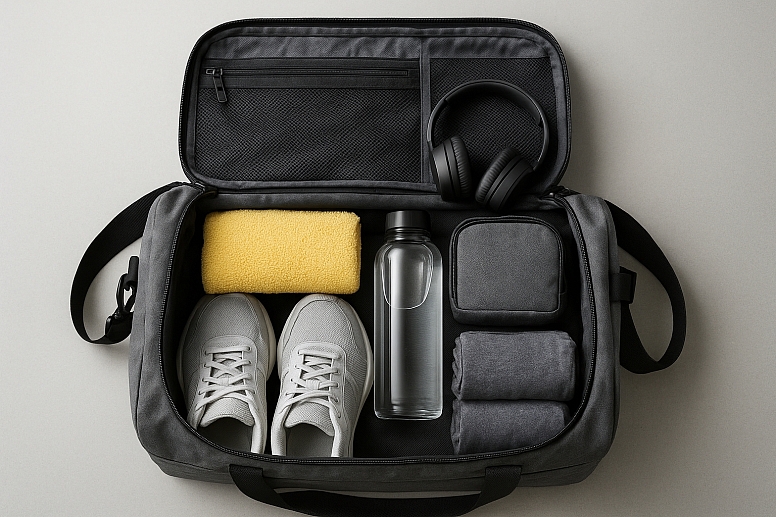
Gym Bag Design and Organization
Just like a well-designed space, an efficiently packed gym bag is all about balance, flow, and functionality. Think of it as a miniature architecture project — every item has a purpose and a place. The layout of your bag should mirror smart spatial planning: heavy items like shoes or water bottles form the base (your foundation), while lighter, frequently used essentials like towels or headphones stay easily accessible at the top (your open plan). Use compartments and pouches the way an architect uses zones — to separate clean from used, wet from dry, and essentials from extras.
Breathable mesh sections act like natural ventilation systems, preventing moisture and odor buildup, while compact toiletry kits and rollable clothing embody minimalist efficiency. When everything is thoughtfully arranged, your gym bag not only looks sleek but functions effortlessly — proving that great design isn’t just about aesthetics, it’s about creating harmony between form and purpose, even in something as simple as your daily workout routine.
Categories
Recent Posts









0.087