
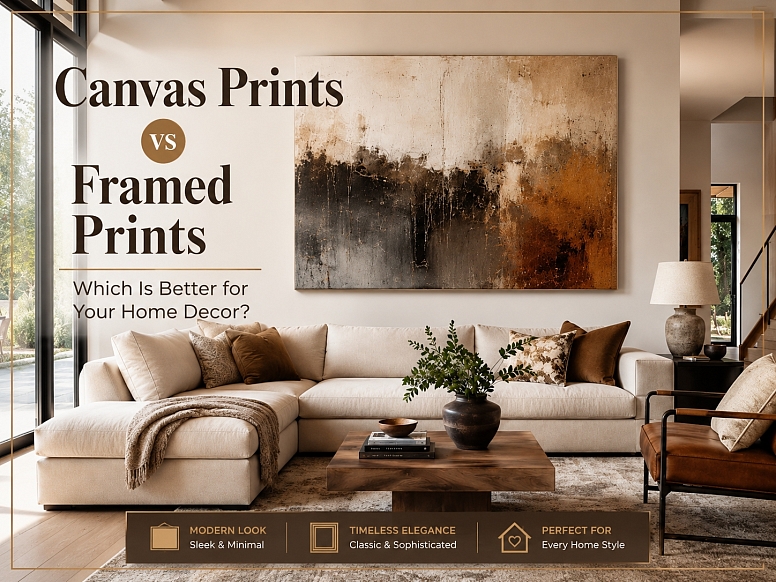
Which Is Better: Canvas Prints vs Framed Prints
The sofa is in place. Curtains are up. The room still feels bare. The empty wall is the reason. Then comes a choice: canvas or a framed print?
Both can look good. They simply behave differently. Light catches them differently. Cost can shift too once glass, mounts, and fittings are included.
What Are Canvas Prints and What Makes Them Popular?

A canvas print just begins its existence with an image printed onto textured fabric. The fabric is pulled tight over a wooden frame, with the picture wrapped around the sides, left with plain edges or finished inside a floating frame.
Canvas has a softer look than paper behind glass. The weave takes away some of the hard digital finish found in photographs. That suits landscapes, family portraits, abstract work, and images where colour matters more than tiny detail.
Large canvas pieces also fill a wide wall without looking overly heavy. One piece above a sofa can do the job without extra frames. There is no glass either, so windows and lamps cause less glare.
It is not a perfect format. The surface remains open to dust and fingerprints. Poorly stretched fabric may loosen. Cheap inks can fade. Fine lettering may also lose clarity against the texture.
Direct sun, damp plaster, and steady heat are poor conditions. A canvas hung above a radiator may look fine for months before the fabric starts to react.
What Are Framed Prints and How Do They Differ?
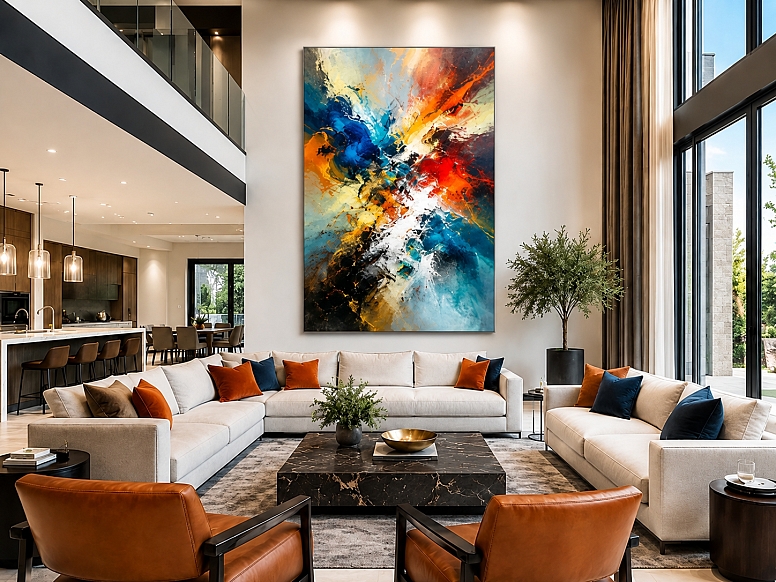
A framed print is a paper image, but not just that; it is framed and usually with glass or acrylic covering the front. In fact, it may have a mount, the plain border between the print and frame. That space can stop a small image from looking cramped.
Frames change the character of the same artwork. Thin black metal makes a photograph feel sharper. Pale timber is quieter. Dark wood can sit comfortably in a traditional room. Once hung, the frame becomes part of the picture.
Paper is better at holding fine detail. Maps, line drawings, lettering, and black-and-white photography often look cleaner in this format. The front covering also keeps dust and casual handling away from the print.
The drawbacks show up with size. Glass gets heavy and can reflect a bright window across the room. Acrylic weighs less but scratches more easily. On the other hand, the typical custom framing may also cost far more than expected once the mount, backing, and glazing are added.
What sits behind the image matters as well. Cheap backing can stain paper. Weak mounting may cause waves or buckling. Those problems often start quietly.
Canvas Prints vs Framed Prints: A Side-by-Side Comparison
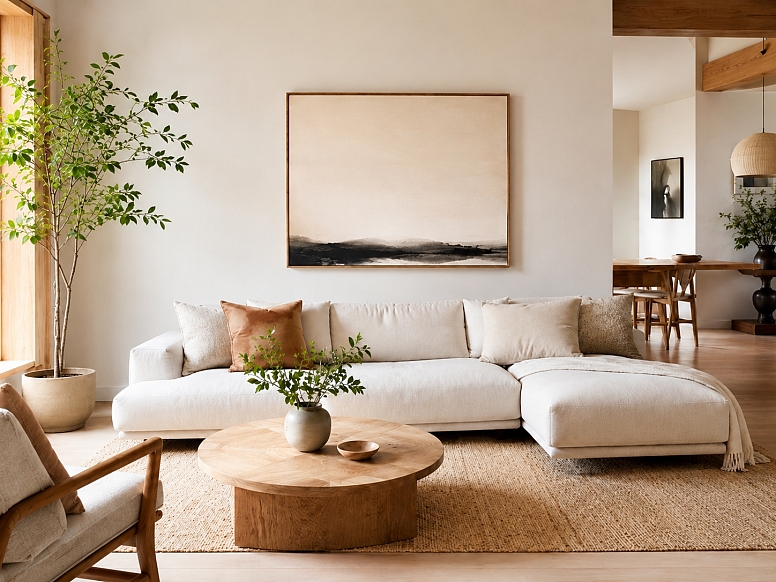
When you see them online, these kinds of formats can look almost adaptable in terms of change. On a wall, the differences are obvious.
Canvas feels softer and has a visible texture. Framed paper looks cleaner at the edges. Canvas gives off less glare. A frame protects the surface better. Large canvas pieces are usually easier to lift, while large glass frames need stronger fixings and careful handling.
The image itself often settles the decision. A hazy coastal scene may gain something from canvas texture. A detailed city photograph may lose too much. Strong pattern and broad colour also sit well on canvas, which is why African Canvas Art can work naturally as a larger focal piece rather than a small framed accent.
The practical split looks like this:
- Canvas usually arrives ready to hang.
- Framed prints offer more finish options.
- Paper keeps small details clearer.
- Canvas is easier to move at larger sizes.
- Custom framing can raise the final cost quickly.
Scale changes the mood of the room. One large canvas feels settled and direct. A row of smaller frames creates movement.
What's more, there are too many small pieces on one wall that appear busy and it is especially when the frames compete with each other.
Which One Works Best for Different Rooms & Interior Styles?

Living rooms give both formats enough space to work. A wide canvas suits a relaxed room with soft furniture. Framed prints sit neatly around shelving, fireplaces, or more formal layouts.
Bedrooms often suit quieter pieces. Canvas above a bed avoids glass glare and feels less rigid. In addition, the smaller framed prints work well when it is placed beside a wardrobe or above a chest of drawers.
Dining rooms can take stronger colours and heavier framing. A dark timber frame adds weight to pale walls. A large canvas can do the opposite and loosen a room that feels too formal.
Kitchens and bathrooms are more difficult. Steam, grease, and changing humidity are hard on canvas, paper, timber, and backing board. Expensive or sentimental artwork belongs elsewhere. A low-cost print may be fine if it stays away from sinks, hobs, and showers.
Minimal interiors need restraint. One clear piece often works better than a crowded gallery wall. Traditional rooms can carry mounts and timber frames. Mixed interiors can use both, though one repeated colour or material helps the display feel connected.
How to Make the Final Choice Based on Your Home & Budget
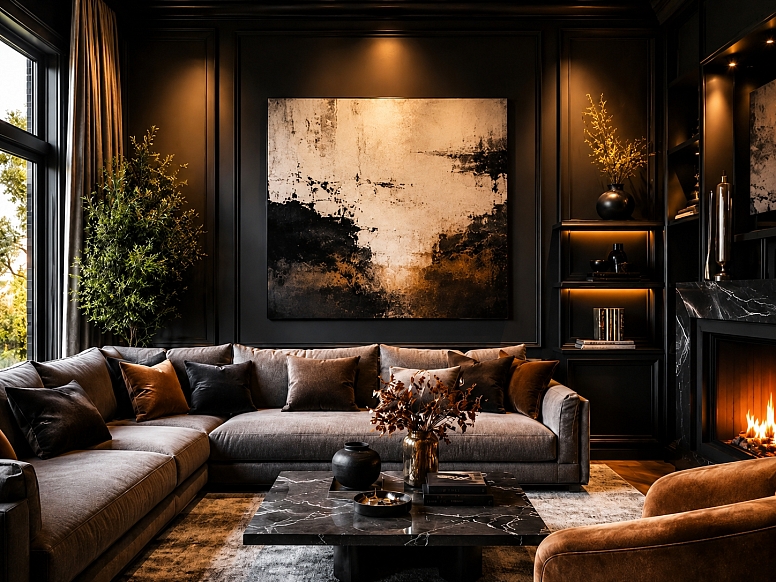
The wall should be measured before ordering. Product photographs often make artwork appear larger than it is. Marking the proposed size with paper or masking tape gives a better sense of proportion.
Light needs checking too. Meanwhile, you may witness a glass that may appear not dangerous in the morning, but it may act like a mirror later in the day. Canvas avoids much of that reflection, though direct sunlight can still fade the print.
Price should cover the finished piece, not just the image. A low-cost paper print may still need a frame, mount, glazing, and suitable hooks. Canvas often arrives ready to hang, which can make it cheaper for a large wall.
Sentimental pieces deserve more protection. Old photographs, signed work, and limited editions are usually safer in a good frame. Decorative pieces likely to change next year need less investment.
Wall type matters. A heavy frame on weak plasterboard can become a problem. Renters may prefer lighter canvas or standard frames that can be reused after a move.
Conclusion
Canvas prints feel softer, lighter, and less formal. Framed prints keep detail crisp and give the artwork more protection. Neither is the right choice for every room.
On the whole, the more ideal choice is usually the one that feels right once it is on the wall. For one thing, if you witness a picture sitting well in space and the light does not work against it, there is little else to overthink.
Categories
Recent Posts







0.0906