
Designing With Durable Materials That Age Gracefully
Construction nowadays has typically put a strong emphasis on speed and immediate cost reductions, thinner finishes, lighter materials, and quicker turnaround times. Many of their choices made sense on paper. In actuality, many structures began to exhibit wear more quickly than anticipated.
It usually starts slowly. A laminate edge begins lifting near a window. Exterior panels fade unevenly after constant sun exposure. Timber-look surfaces lose consistency after a few rainy seasons. In commercial spaces, especially, materials that once looked sharp can start feeling tired surprisingly quickly. That approach is beginning to lose favour.
Materials that age naturally, rather than trying to completely withstand time, are becoming more and more valued in both architecture and interior design. Every surface doesn't need to remain flawlessly unchanged forever. Maintaining a building's brand-new appearance at all costs is no longer the aim of many projects. The focus is shifting toward materials that still feel convincing ten or twenty years later. That difference becomes obvious with time.
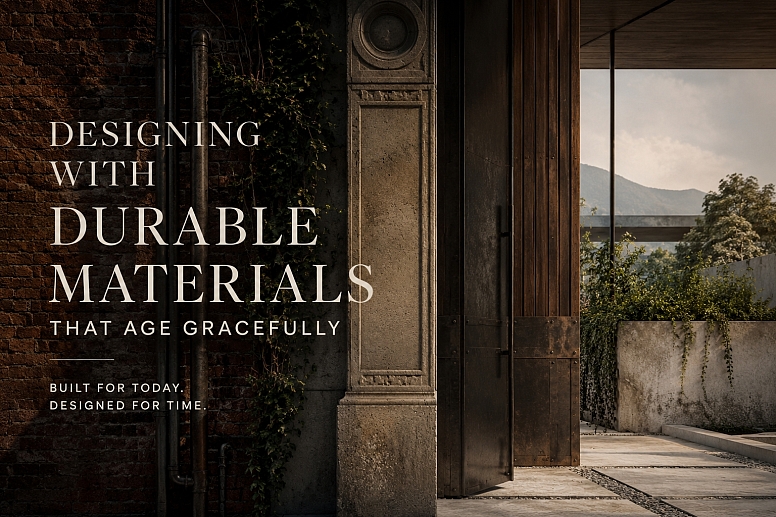
Natural stone, for example, rarely stays identical to the day it was installed. Rain, sunlight, pollution, and temperature changes slowly affect the surface. Yet that gradual change often adds character rather than diminishing it. The same can be said for brickwork that develops depth through weather exposure or timber that softens in colour over the years.
Meanwhile, lower-grade synthetic finishes often struggle to age gracefully. Some coatings begin peeling. Thin veneers chip around corners. Artificial textures that looked realistic at first can eventually appear flat or repetitive under constant use.
The issue is not only aesthetic anymore. Longevity has become part of the sustainability conversation as well. According to the American Institute of Architects, architects are paying closer attention to lifecycle performance and material durability as environmental standards continue evolving.
Why Some Materials Feel Better With Age?
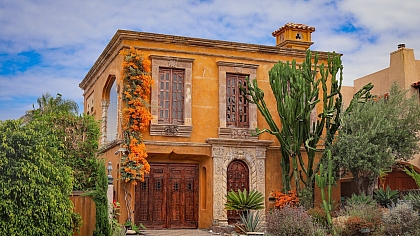
Older buildings often reveal this difference more clearly than newly completed projects. Walk through historic districts in cities like London, Milan, or Rome, and certain materials continue holding their presence decades later. Limestone develops softness. Copper darkens and forms patina. Concrete surfaces become slightly uneven in tone. In many cases, those imperfections are what give the structure personality.
Natural materials tend to respond to ageing less aggressively because they already contain variation from the beginning. Stone has movement. Timber has grain patterns. Brick carries tonal inconsistencies. Small changes over time blend into the material instead of standing out as damage.
Metal behaves similarly, especially in architectural detailing. Steel changes depending on climate and exposure. Brass slowly deepens in tone. Cast iron develops texture and visual weight over the years. These are not flaws that need hiding. They often become part of the building’s identity.
That explains why industrial-inspired materials continue appearing in modern architecture, particularly in landscaping, façades, stair detailing, and outdoor structures. Materials such as reclaimed steel, textured metals, and round cast iron components continue to be used in projects where durability matters just as much as appearance.
There is also something psychologically different about authentic materials. Wear feels expected instead of disappointing. A scratched stone surface usually still feels honest. A scratched synthetic panel often just looks damaged.
The Problem with Short-Lifespan Finishes
Many modern materials are designed to create immediate visual impact. Clean surfaces. Uniform colours. Perfect finishes. The problem is that perfectly controlled materials often age poorly because even minor wear becomes visible immediately.
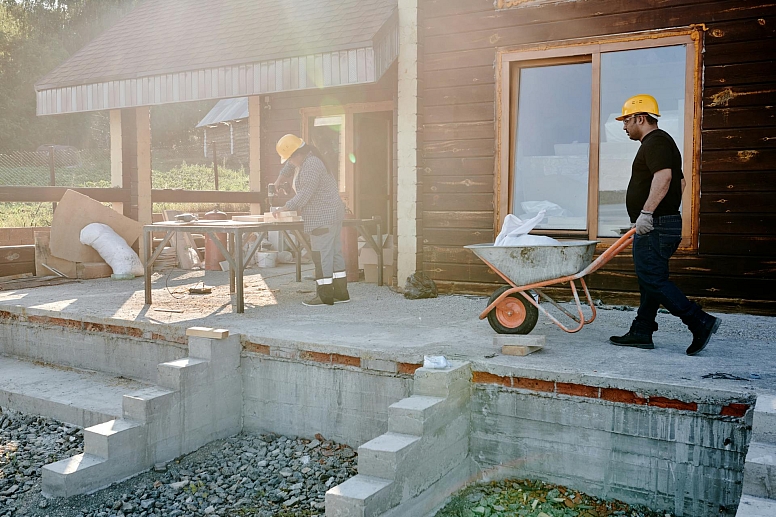
This is particularly noticeable in hospitality and retail design. Hotels, cafés, and office interiors deal with constant movement, cleaning, moisture, sunlight, and temperature fluctuation. Materials that look flawless during launch photography may begin deteriorating within a few years under actual daily use.
Maintenance teams usually notice it first. Corners become difficult to repair cleanly. Replacement panels no longer match the original colours. Surface bubbling starts appearing near moisture-prone areas. Eventually, spaces require partial renovation much sooner than expected.
Durable materials usually respond differently. Instead of fighting wear completely, they absorb it more naturally. Small imperfections settle into the material rather than disrupting the entire appearance of the space.
The Royal Institute of British Architects has increasingly encouraged designers to think beyond installation costs and focus more on whole-life performance and carbon impact.
Designing Beyond Short-Term Trends
There is also a broader cultural shift happening in architecture right now. Overly polished spaces do not hold the same appeal they once did. People are becoming more drawn toward environments that feel tactile, grounded, and believable. Materials with texture and slight irregularities often create spaces that feel calmer and more lived-in.
That does not mean unfinished or rough construction. It simply means materials are being allowed to behave naturally instead of being forced to imitate something artificial.
Architectural trends will always change. Minimalism becomes maximalist. Matte finishes become glossy again. Colours shift every few years. But materials still shape how a building is experienced long after those trends move on.
Some surfaces deteriorate the moment fashion changes. Others become more convincing with age. That difference is becoming far more important in contemporary architecture than short-term visual perfection alone.
Categories
Recent Posts


0.1014