


How Simple Repairs Can Refresh a Home Without a Full Remodel
A full remodel is not the only way to make your home feel fresh. Sometimes the things that bother you most are small: a door that sticks, a drawer that will not close, a wobbly chair, or marks on a wall. Each issue may seem minor, but together they can make a room feel worn.
Start by looking at what you already have. A few well-chosen repairs can improve how your home looks and works, without changing its layout or replacing furniture you still enjoy.
Make a List Before Starting
Walk through your home as though you are seeing it for the first time. Notice the details you normally work around. Do you lift a cabinet door to close it? Avoid sitting in a particular chair? Hide a damaged section of wall behind a plant?
Write these issues down, then group them by room. Put anything affecting safety or daily use at the top of the list. After that, consider which visible repairs would make the greatest difference. This gives you a manageable plan and helps you avoid spending money on decorative updates while practical problems remain.
Fix the Doors and Cabinets You Use Every Day
Doors and cabinets take a lot of daily use. Over time, hinges can loosen, handles can move, and doors can fall out of alignment. These problems are easy to ignore, yet they affect how a room feels each time you use it.
A door that closes smoothly makes an entryway more pleasant. Straight cabinet doors and secure handles can make an older kitchen look better maintained. You may only need a hinge adjustment, new hardware, or a small repair to the frame.
If several jobs have built up, a handyman in Tallahassee can help you assess them. Prepare a list and photos so you can explain the work clearly.
Repair Furniture That Still Fits Your Space
Furniture does not always need replacing when it begins to show wear. A chair with a loose joint, a table with a damaged edge, or a dresser with a sticking drawer may still have years of use left in it.
Before shopping for a replacement, look at the extent of the damage. Is the main structure sound? Does the piece still fit the room and meet your needs? If so, a repair may be worth considering, especially when the furniture has personal value or would be difficult to replace.
For furniture repair in Tallahassee, share clear photos of the damaged area and describe how the problem affects use. A repair provider can then advise you on the options for that particular piece.
Give Walls and Trim Some Attention
Scuffs, small holes, chipped corners, and worn trim can make a room look tired even when the furniture is in good condition. Repairing these surfaces creates a cleaner backdrop for everything else.
Patch holes and damaged areas before applying paint. If you are touching up only one section, check both the colour and sheen of the existing finish; a close colour match can still look obvious if the sheen differs. Where touch-ups will not blend well, painting the whole wall may produce a more consistent result.
Trim around doors and windows also deserves a look. Securing a loose section or repairing a damaged corner can make the room feel more finished.
Refresh the Small Details
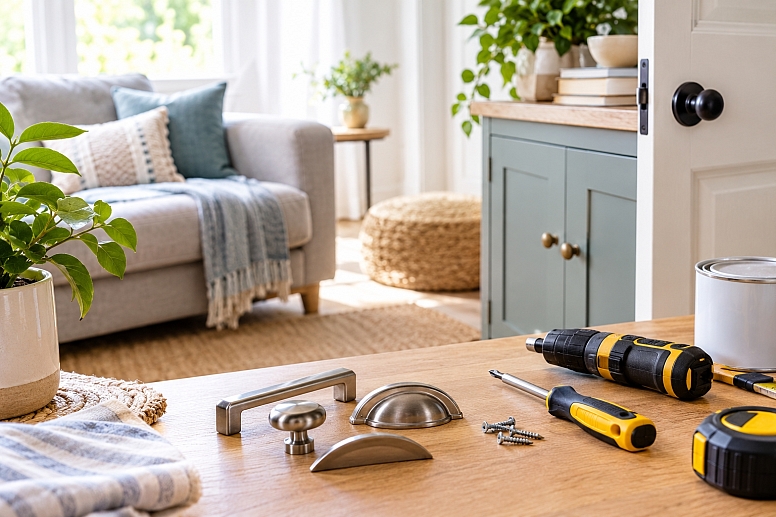
Small fittings have a noticeable effect because you see and touch them every day. Loose towel bars, worn cabinet pulls, damaged switch plates, and poorly fitted shelves can make an otherwise tidy room feel neglected.
Choose repairs that suit the existing design. You do not need to replace every handle in the house to make an improvement. Fixing the ones that are loose or damaged may be enough. If you do replace hardware, use a consistent finish within the room so the result feels considered.
Leave electrical faults to a qualified professional. A flickering light or faulty switch needs more than a cosmetic update.
Look Beyond Appearance
The most valuable repairs often improve both appearance and comfort. A drawer that opens easily saves frustration. A stable chair makes a dining area more welcoming. A properly closing door can improve privacy and help the room feel complete.
Think about how each space is used before deciding what to fix. In a busy kitchen, working cabinets may matter more than a new decorative feature. In a living room, repairing a favourite sofa or side table might have a greater impact than changing the wall colour. Your priorities should reflect everyday life in your home.
Work One Room at a Time
Trying to refresh the whole house at once can make a modest project feel overwhelming. Choose one room and complete its most useful repairs first. Clear the work area, gather the information a repair provider may need, and decide on a budget before starting.
When the repairs are finished, clean and rearrange the room before buying anything new. You may find that furniture looks different once the walls are tidy, the doors line up, and everything works as it should.
A refreshed home does not have to look completely different. Often, the best result is a familiar space that feels easier to live in and better cared for.
Categories
Recent Posts








0.119