

The Importance of Home Maintenance: A Complete Guide
Home maintenance is the ongoing process of inspecting, repairing, and caring for a house to ensure it remains safe, efficient, and comfortable. Many homeowners delay maintenance until something breaks, but this approach often leads to higher costs and more serious problems. A well-maintained home not only lasts longer but also retains its value better over time. It also reduces safety risks such as electrical fires, water damage, and structural failures.
By following a consistent maintenance routine, homeowners can avoid unnecessary stress and create a healthier living environment for themselves and their families.
Seasonal Maintenance: Adapting to the Time of Year
Home maintenance changes with the seasons because weather conditions affect different parts of the house in different ways. In spring, homeowners typically inspect for winter damage, clean gutters, and check roofing materials. Summer focuses on ventilation, cooling systems, and protecting outdoor structures from heat and storms.
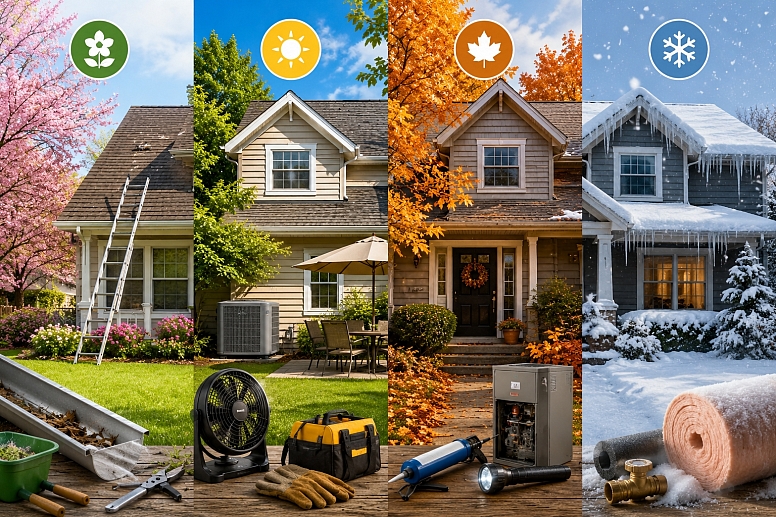
Autumn is the time to prepare for cold weather by sealing gaps and servicing heating systems. Winter requires extra attention to insulation, frozen pipes, and snow buildup. By aligning tasks with the seasons, homeowners can prevent weather-related damage before it becomes serious and expensive.
Roof and Exterior Care: Protecting the Structure
The roof and exterior walls are the first line of defense against the elements. Regular inspections help identify missing shingles, cracks, or signs of water intrusion. Gutters and downspouts must be cleaned to ensure proper drainage and prevent water from pooling near the foundation. Exterior walls should also be checked for peeling paint, mold, or structural damage.
Neglecting these areas can lead to long-term issues such as leaks, weakened foundations, and interior water damage. Keeping the exterior in good condition preserves both the appearance and structural integrity of the home.
Electrical Systems: Ensuring Safety and Reliability
Electrical systems are essential for modern living, powering everything from lighting to appliances. However, they can also pose serious risks if not properly maintained. Homeowners should watch for warning signs such as flickering lights, frequent breaker trips, or overheating outlets.
Regular inspections help ensure wiring remains safe and up to code. In cases of persistent electrical issues or upgrades, it is strongly recommended to hire a qualified electrician rather than attempting complex repairs independently. Professional expertise reduces the risk of fire hazards and ensures that all work meets safety standards, protecting both the home and its occupants.
Plumbing Maintenance: Preventing Water Damage
Plumbing systems require consistent attention to avoid leaks, blockages, and water damage. Even small leaks under sinks or behind walls can lead to mold growth and structural deterioration over time. Homeowners should regularly check faucets, toilets, and exposed pipes for signs of moisture or corrosion.
Drains should be kept clear to prevent backups and unpleasant odors. In colder climates, pipes must be insulated to avoid freezing during winter. Addressing minor plumbing issues early helps prevent major repairs and protects the home from costly water-related damage.
Heating, Cooling, and Air Quality: Maintaining Comfort
Heating and cooling systems play a major role in maintaining indoor comfort throughout the year. Regular servicing of furnaces, air conditioners, and heat pumps ensures they operate efficiently and last longer. Air filters should be replaced regularly to maintain good airflow and indoor air quality.
Poor ventilation can lead to the buildup of dust, allergens, and humidity, which may cause health issues or mold growth. Keeping these systems clean and well-maintained not only improves comfort but also reduces energy consumption and utility costs over time.
Interior Maintenance: Walls, Floors, and Surfaces
The interior of a home also requires regular care to stay in good condition. Walls should be checked for cracks, peeling paint, or water stains that may indicate hidden leaks. Floors need proper cleaning and occasional repair, depending on the material, whether wood, tile, or carpet. Kitchens and bathrooms require extra attention because they are exposed to moisture and heavy use.
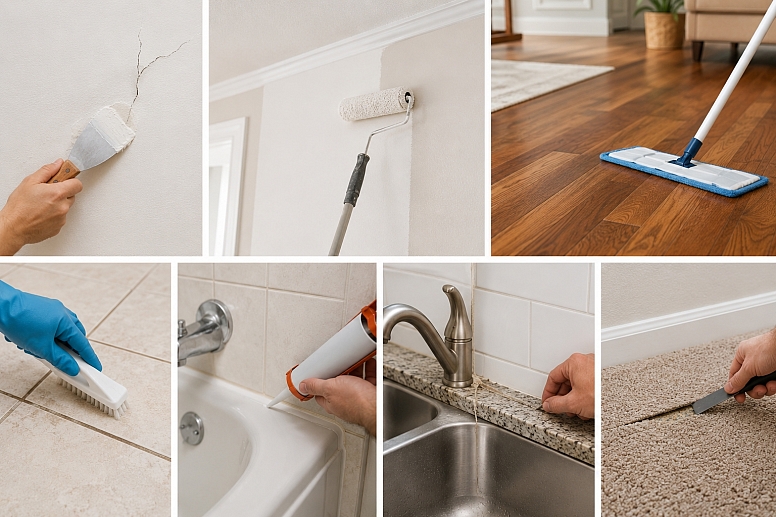
Grout, seals, and caulking should be inspected and replaced when necessary. Maintaining interior surfaces helps preserve the home’s appearance and prevents minor wear from becoming major damage.
Appliance Care: Extending Lifespan and Efficiency
Household appliances such as refrigerators, washing machines, ovens, and dryers are essential for daily life. Regular maintenance improves their performance and extends their lifespan. Cleaning refrigerator coils, removing lint from dryer filters, and descaling kettles or coffee machines are simple tasks that make a significant difference.
Neglecting appliance care can lead to inefficiency, higher energy bills, and unexpected breakdowns. By following manufacturer guidelines and performing routine cleaning, homeowners can avoid premature replacements and maintain smooth household operations.
Safety and Organization: Staying Prepared
Safety is a critical part of home maintenance and should never be overlooked. Smoke detectors and carbon monoxide alarms must be tested regularly, and batteries should be replaced at least once a year. Fire extinguishers should be accessible and in working condition.
Beyond physical safety devices, keeping records of repairs, inspections, and upgrades helps homeowners stay organized and plan future maintenance more effectively. A well-documented maintenance history is also valuable when selling a home, as it demonstrates responsible ownership and care.
Conclusion: Building Long-Term Value Through Maintenance
Home maintenance is not a one-time task but an ongoing commitment that protects both the property and the people living in it. By staying proactive and addressing issues early, homeowners can avoid costly repairs, improve energy efficiency, and maintain a safe living environment. From seasonal tasks to appliance care and safety checks, every effort contributes to the overall health of the home.
Consistent maintenance ultimately builds long-term value, ensuring the house remains a reliable and comfortable place to live for years to come.
Categories
Recent Posts







0.1105