


Simple Home Improvements That Can Increase Property Value
A buyer can walk into a decent house and still come away thinking, “There is work to do here.” It is often not one big problem. It is the sticking door, the gloomy landing, the loose tap, and the hedge swallowing half the front window. Those details are small on their own. Now, you must know that as a few of those details begin to display, the house feels more worthy to reside in and actually live in.
Why Small Home Improvements Can Make a Big Difference to Property Value
Firstly, if we are thinking about sellers in general, they see minor issues and faults by learning to live with them. A cabinet door has rubbed against the frame for two years, so it barely registers anymore. A buyer sees it on the first viewing.
The useful jobs are often the boring ones. A latch that finally catches. Grout that no longer looks grey at the edges. A handrail that does not move when someone puts weight on it. None of these changes makes a dramatic before-and-after photo, but they stop the house from quietly building a repair list in the buyer’s head.
Big upgrades are harder to judge. One buyer may love a new statement kitchen. Another may already be thinking about replacing it. Fixing a drip or a sticking window is less subjective. The fault existed before the work, and it no longer exists afterwards.
Improvement 1: Upgrading Windows and Doors for Kerb Appeal and Efficiency
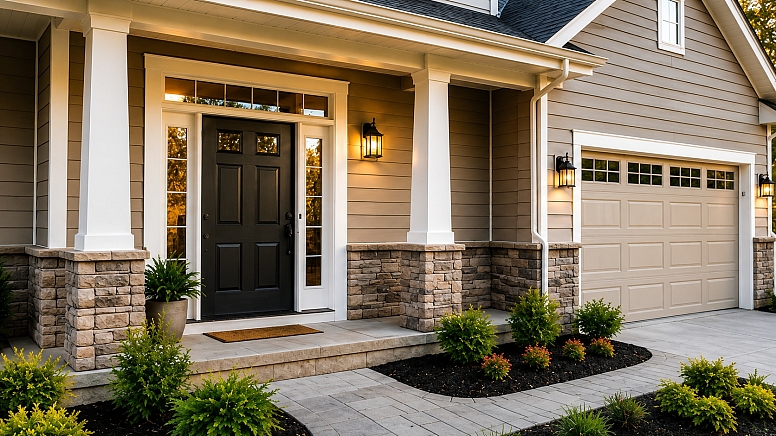
The front door gets tested before anything else inside the property. If the key sticks or the door has to be pulled hard before it catches, the viewing starts with a small annoyance.
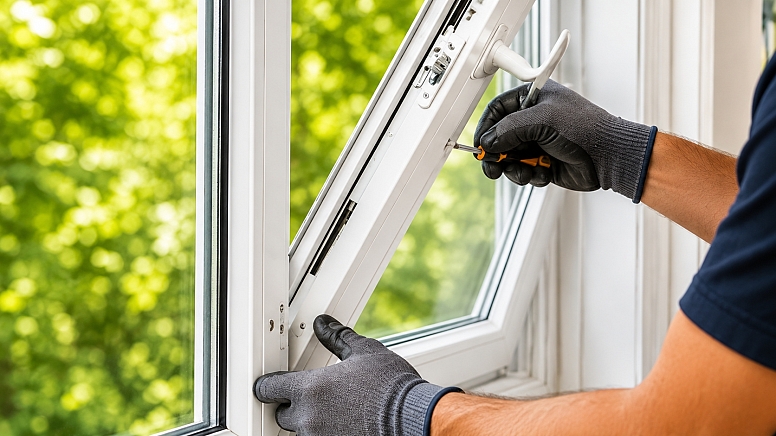
That does not always call for a new door. A dropped hinge, worn weatherstripping or tired lock can make a perfectly usable door feel finished. Windows are much the same. Stiff hinges, failed seals and damaged locks should be checked before the whole unit is written off.
Replacement makes more sense where frames are badly deteriorated, or glazing has failed. In a hot climate, suitable glass can also cut some of the unwanted solar heat coming through larger windows. The fitting still matters. A good window with gaps around the frame is not much of an upgrade.
Improvement 2: Adding Natural Light With Roof Glazing Solutions
Some rooms are hard to brighten. A lamp can help after dark, but it does little for a central hallway or deep kitchen that feels flat at midday.
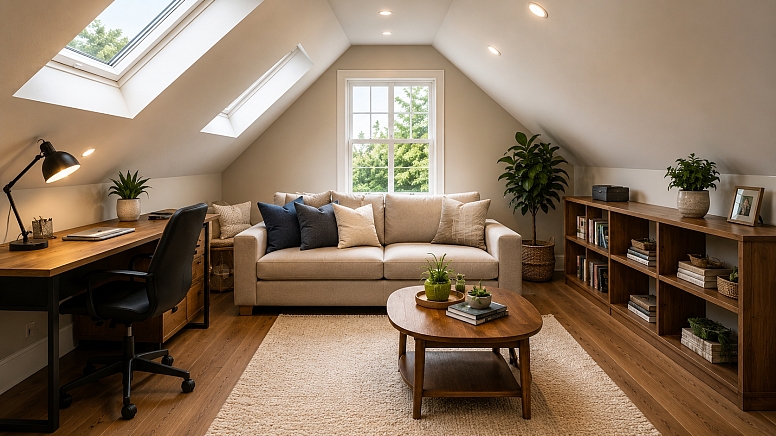
Roof glazing suits these awkward spots. As well as how there's the case for a skylight, roof window or sun tunnel pulling daylight into a stair landing, internal bathroom or the deep end of an open-plan room when a wall window just is not practical.
On the other hand, there is a more crafty issue to deal with. In fact, it is when you are thinking about the placement scheme. For you see, a large opening in the wrong spot can send glare across a television or make a dining table uncomfortably hot later in the day. Roof direction, ceiling shape and furniture position all play a part. A room can feel lovely at breakfast and too bright by late afternoon.
The roof needs checking first too. Flashing has to suit the roof construction. Existing leaks or weak areas should be sorted before a new opening is cut. If the roof is already close to replacement, both jobs may be better planned together.
A seller looking to sell house fast in DFW may get more practical value from improving one obviously dark space than repainting rooms that already present well. All in all, there is a spending amount that gauges the property's value.
Improvement 3: Refreshing Your Kitchen Without a Full Renovation
There is a dishevelled kitchen being less dramatic than it looks. The cabinet boxes may be solid. What makes the room feel old could be chipped paint around the handles, darkened silicone behind the sink, or lighting that leaves half the worktop in shadow.
Those are separate jobs. Sound cabinet fronts can be repainted. Worn handles can be changed. Sealant can be renewed. A damaged backsplash section can often be dealt with on its own.
Lighting is worth checking after sunset. A kitchen can look fine in daylight and become awkward once the main ceiling light is doing all the work. Under-cabinet lighting may be enough for a shadowy prep area.
Water damage changes the order completely. A swollen cabinet base, lifting floor or stain around pipework needs investigation first. Fresh paint can hide the mark. It cannot dry out the cause.
Improvement 4: Improving Your Bathroom for a Higher Return on Investment
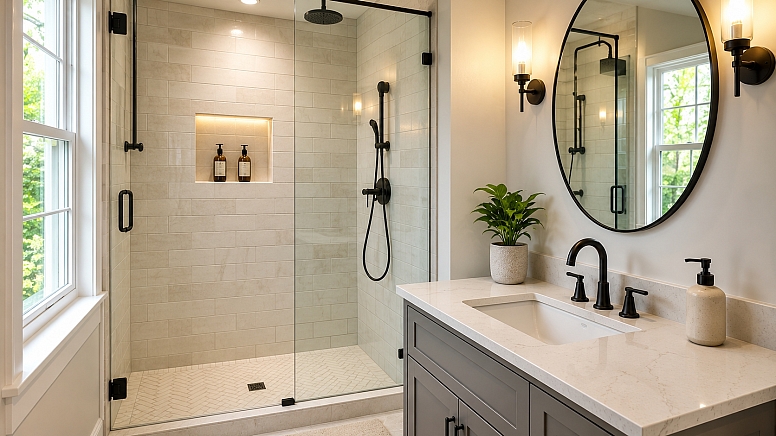
Bathrooms collect signs of wear in a very small area. Darkened sealant, cracked grout, and a loose tap can all sit within a few feet of each other. The room starts to feel neglected even if the bath and shower are still perfectly usable.
A modest refresh can deal with much of that. Failed silicone can be replaced. For you see, there's the case for damaged grout, as it can be repaired. Loose fittings can be tightened. A worn mirror or vanity front can be changed without moving plumbing.
Ventilation is easy to misread. An extractor fan may make plenty of noise while clearing very little steam. Peeling paint near the ceiling, damp corners or mould that keeps returning deserve a closer look.
Soft flooring or staining on the ceiling below is different again. Those signs may point to a leak or failed seal. Furthermore, if the relevant situation needs tracing right before the room gets a lustrous tidy-up.
Improvement 5: Landscaping and Outdoor Improvements That Attract Buyers
On the outside, buyers have a tendency to view what sort of overlooked crisis causes difficulties. For one thing, a branch brushes against a coat. A house number is hidden behind a shrub. One paving slab rocks underfoot. None of it sounds serious, but the entrance starts to feel uncared for.
A short maintenance list can help:
- Cut plants back from paths, windows and house numbers.
- Remove dead growth and obvious weeds.
- Repair loose pavers, edging and fence sections.
- Refresh bare beds with mulch.
- Check gates, steps and exterior lights.
In North Texas, planting that suits local heat and rainfall is usually easier to keep looking healthy than thirsty ornamental planting. A few healthy plants can look better than a crowded bed that needs constant rescue through summer.
Drainage deserves attention before decoration. Water pooling beside the foundation or crossing the main path after rain is a practical problem. Fresh mulch will not fix it.
Small improvements are most convincing when they solve things a buyer can see or feel straight away. A door shuts properly. A dark room no longer feels forgotten. The bathroom looks dry. The garden is easy to walk through.
No single upgrade can guarantee a higher sale price. The market, location, and overall condition still matter. The useful work is the work that leaves fewer little objections behind during a viewing.
Categories
Recent Posts








0.0926