
The Secret to a Home That Feels Put Together
Understanding What Creates a Cohesive Home
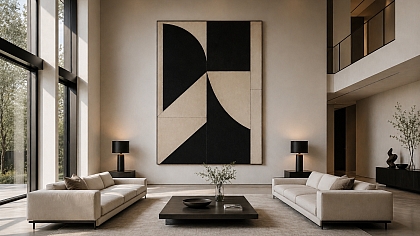
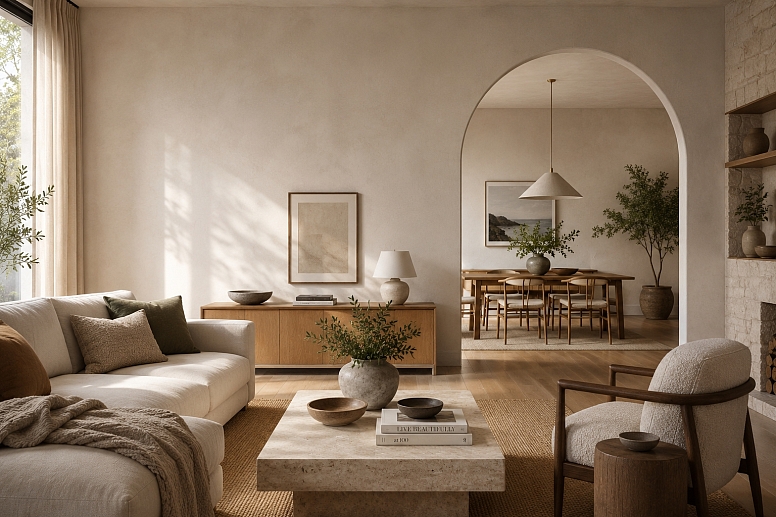
A home that feels put together is not defined by expensive furniture or elaborate décor. Instead, it is shaped by thoughtful choices that create harmony from room to room. Designers often begin by evaluating the overall flow of the home, identifying areas where the style feels inconsistent or disconnected. A cohesive home uses color, texture, and layout to create a sense of unity without feeling repetitive.
This approach helps each room feel intentional and connected to the larger design vision. When homeowners understand how these elements work together, they can create spaces that feel polished and welcoming. A cohesive home is ultimately one that reflects both function and personality.
Using Color to Establish Visual Harmony
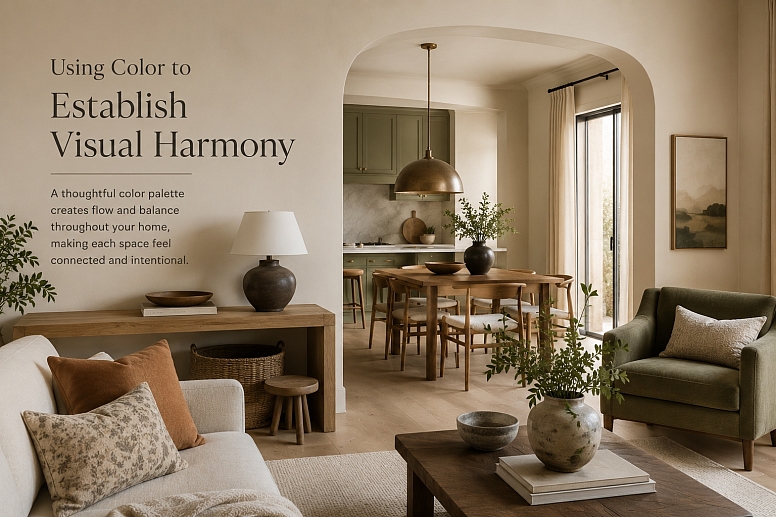
Color is one of the most effective tools for creating a home that feels unified and complete. Designers often recommend selecting a base palette that flows throughout the home, then adding accent colors to define individual rooms. This method creates consistency while still allowing for variety.
Neutral tones often serve as a strong foundation because they pair well with a wide range of materials and styles. Accent colors can be introduced through artwork, textiles, or decorative objects, making them easy to update over time. When color is used intentionally, it helps tie the entire home together and creates a sense of visual balance. This strategy ensures that each room feels connected without being identical.
Layering Textures and Materials for Depth
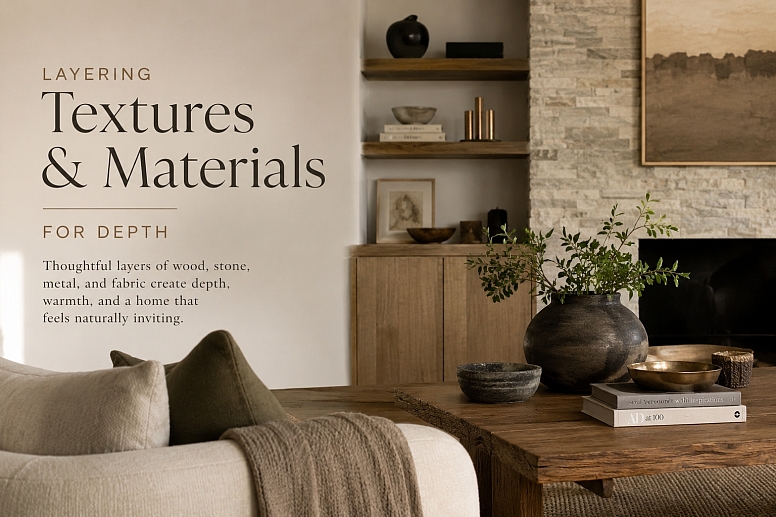
Texture plays a major role in making a home feel thoughtfully designed. Layering materials such as wood, metal, stone, and fabric adds depth and dimension to a space. Designers often mix smooth and rough textures to create contrast that feels natural and inviting. Soft textiles like rugs, pillows, and throws help warm up a room, while natural materials add character and authenticity.
This layering technique works especially well in minimalist or modern homes, where subtle details make a significant impact. When textures are balanced thoughtfully, they create a sense of richness that contributes to a polished, put‑together look. These elements help transform a simple room into a cohesive and visually engaging space.
Creating Balance Through Layout and Proportion
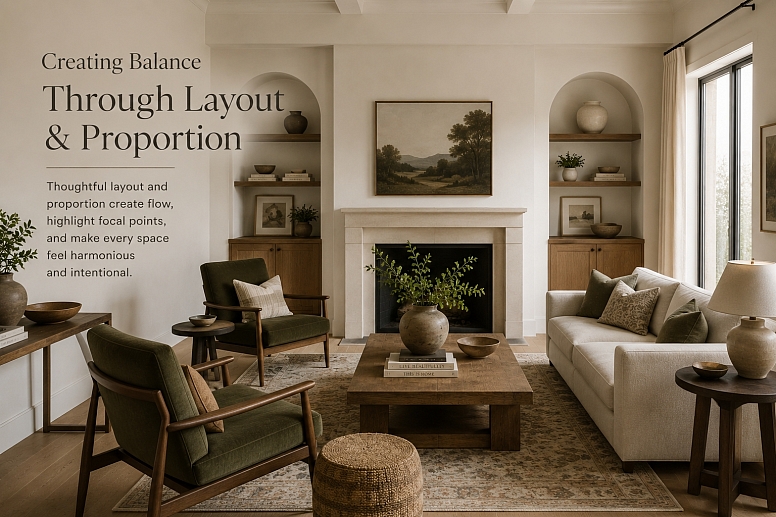
A well‑designed layout is essential for creating a home that feels organized and intentional. Designers consider how people move through the space, how furniture interacts with architectural features, and how each room supports daily living. Proportion is equally important, as furniture that is too large or too small can disrupt the overall balance.
Thoughtful placement helps highlight focal points, improve functionality, and create a sense of order. Even small adjustments, such as repositioning a chair or adding a side table, can make a room feel more complete. When layout and proportion are carefully considered, the home feels harmonious and comfortable. This attention to detail is key to achieving a put‑together look.
The Guidance of a Bay Area Interior Designer
Many homeowners turn to a Bay area interior designer for help creating homes that feel cohesive, stylish, and functional. These designers are known for blending modern aesthetics with natural materials, clean lines, and thoughtful layouts. Their approach emphasizes balance, harmony, and a strong connection to the surrounding environment.
They excel at identifying small changes that create significant impact, whether through color, texture, or spatial planning. Their expertise helps homeowners achieve a polished look that still feels personal and livable. This thoughtful design philosophy has made Bay Area designers influential in shaping national trends and inspiring homeowners across the country.
Conclusion
A home that feels put together is the result of intentional choices about color, texture, layout, and overall design direction. When these elements work together, they create spaces that feel cohesive, comfortable, and visually appealing. Thoughtful planning helps each room support the next, creating a sense of harmony throughout the home.
With the right approach, homeowners can achieve a polished and inviting environment that reflects their style and enhances daily living. A well‑designed home is not about perfection; it is about creating spaces that feel balanced, functional, and beautifully connected.
Categories
Recent Posts






0.0882