
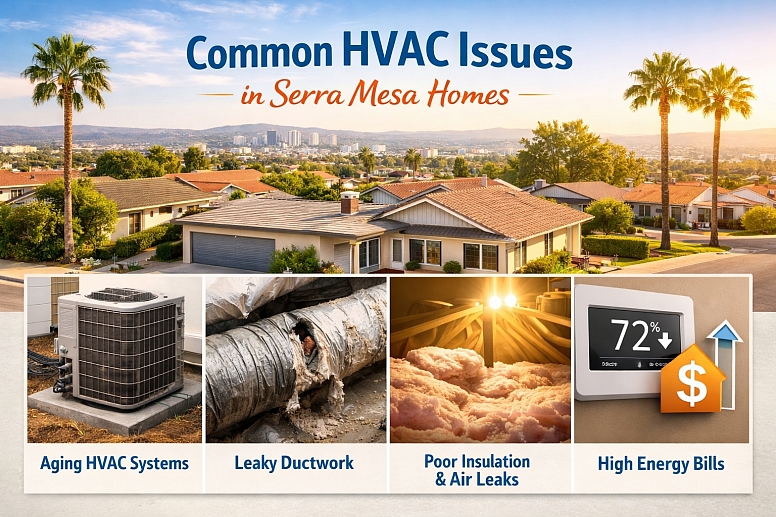
Common HVAC Issues in Serra Mesa Homes
Serra Mesa is known for its quiet streets and well-established homes, many of which date back to the 1950s through the 1970s. While these properties offer timeless charm and solid construction, their HVAC systems, along with the supporting infrastructure, are often showing signs of age.
As a result, homeowners in Serra Mesa frequently encounter heating and cooling challenges unique to these older home designs and the demands of Southern California’s climate. Experienced professionals regularly help diagnose and resolve these issues to restore comfort and efficiency.
Aging and Inefficient HVAC Systems
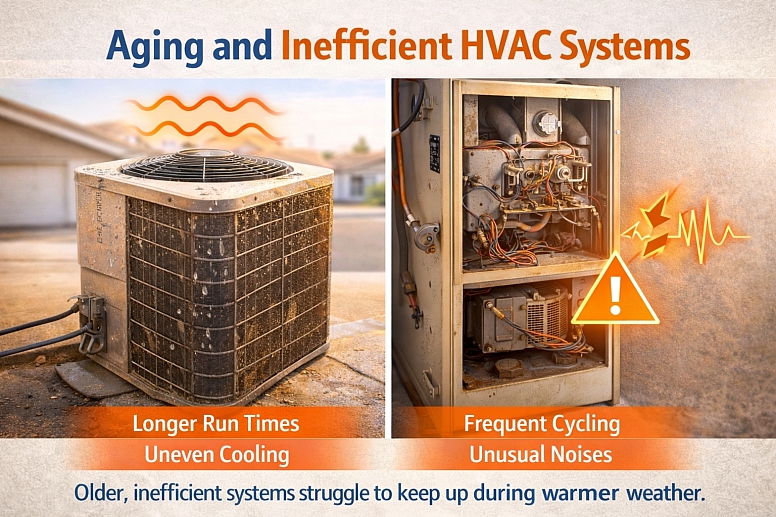
Many homes in Serra Mesa still rely on air conditioning units and furnaces that are 15–25 years old. While these systems may still operate, they are significantly less efficient than modern alternatives. Older HVAC units often struggle during hot San Diego summers, resulting in longer run times, inconsistent temperatures, and increased SDG&E bills.
Warning signs such as frequent cycling, unusual noises, or uneven cooling throughout the home may indicate that your system is nearing the end of its lifespan. A professional assessment can help determine whether a repair or full replacement will provide the best long-term value and comfort.
Deteriorating Ductwork
Ductwork is another commonly overlooked issue in older Serra Mesa homes. Over time, ducts can develop leaks, gaps, or loose connections, especially in attics exposed to high temperatures. When this happens, conditioned air escapes before reaching your living spaces, reducing efficiency and creating noticeable hot and cold spots.
In many cases, homeowners assume the HVAC unit itself is failing when the root cause lies within the duct system. A thorough inspection by professionals can uncover airflow issues and determine whether duct sealing or replacement is needed.
Poor Insulation and Air Leakage
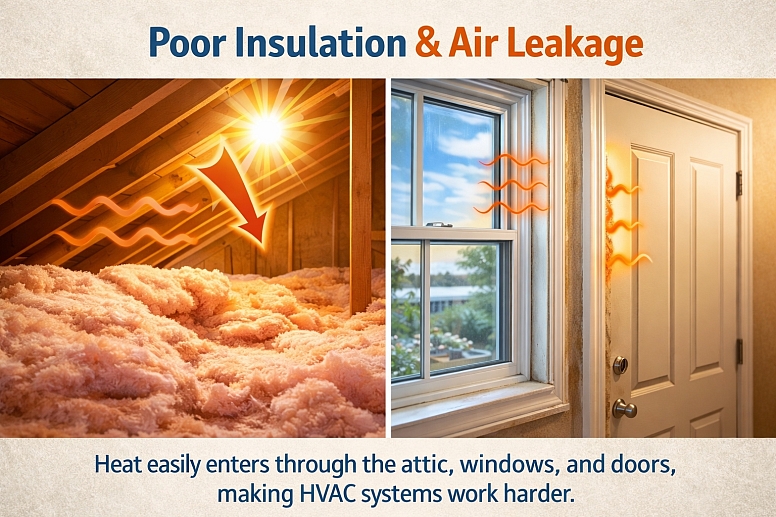
Mid-century homes were typically built with far less insulation than current standards require. This makes it easier for heat to enter during warm weather, forcing HVAC systems to work harder to maintain comfortable indoor temperatures. Air leaks around windows, doors, and other openings can further compound the problem.
Improving insulation and sealing air gaps are cost-effective upgrades that can significantly boost energy efficiency, enhance comfort, and reduce strain on your HVAC system.
Uneven Cooling and Room-to-Room Imbalances
Many Serra Mesa homes have undergone renovations, such as room additions or garage conversions, that were not fully integrated into the original HVAC design. This often results in certain areas of the home feeling noticeably warmer or cooler than others.
Solutions such as zoning systems, duct adjustments, or ductless mini-split installations can address these imbalances. Professionals can recommend tailored solutions based on your home’s layout and specific comfort needs.
Rising Energy Bills
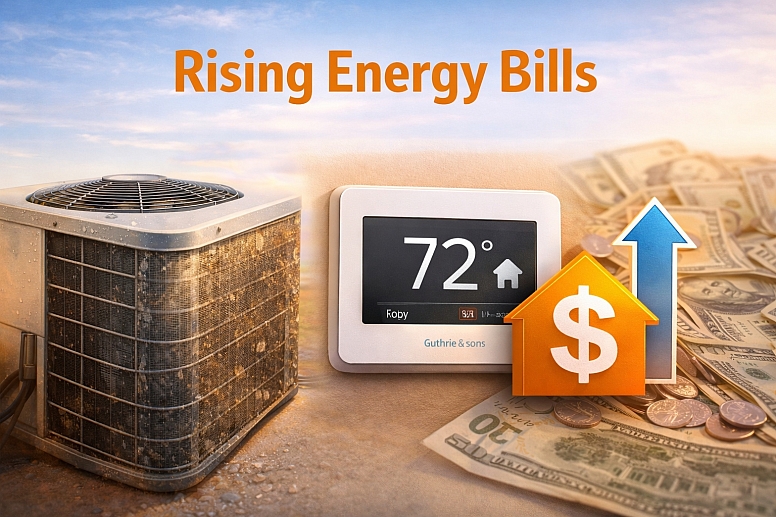
If your energy bills continue to rise each summer without a clear reason, your HVAC system may be operating inefficiently. Issues such as dirty coils, aging components, outdated thermostats, or improperly sized systems can all contribute to excessive energy use.
Routine maintenance and professional tune-ups can help restore efficiency, extend the life of your equipment, and reduce the risk of unexpected breakdowns during peak heat.
By proactively addressing these common HVAC challenges, Serra Mesa homeowners can enjoy improved comfort, lower energy costs, and greater long-term value from their homes.
Frequently Asked Questions
How long do HVAC systems typically last in Serra Mesa homes?
Most HVAC systems last between 15–20 years, depending on usage, maintenance, and environmental conditions. In Serra Mesa, older systems may wear out faster due to heat exposure and aging ductwork.
How can I tell if my ductwork is leaking?
Common signs include uneven temperatures between rooms, weak airflow, higher energy bills, and excessive dust. A professional inspection can confirm leaks and recommend sealing or replacement.
Is it worth upgrading insulation in an older home?
Yes, upgrading insulation is one of the most effective ways to improve comfort and energy efficiency. It reduces strain on your HVAC system and can lead to noticeable savings on utility bills.
What causes uneven cooling in my home?
Uneven cooling is often caused by poor duct design, aging systems, or home additions that weren’t integrated into the original HVAC layout. Zoning systems or ductless units can help solve this issue.
How often should HVAC systems be serviced?
It’s recommended to schedule professional maintenance at least once a year, ideally before peak cooling season. Regular tune-ups help prevent breakdowns and keep your system running efficiently.
Categories
Recent Posts




0.0941