


How Regular Plumbing Maintenance Saves You Money Long-Term
When it comes to home maintenance, plumbing is often out of sight and out of mind, until something goes wrong. A burst pipe, clogged drain, or failing water heater can quickly turn into an expensive and stressful situation. That’s why scheduling regular maintenance isn’t just a convenience; it’s a smart financial decision that can save you significant money over time.
Catching Small Problems Before They Grow
One of the biggest advantages of routine plumbing maintenance is early detection. Minor issues like a slow drip, small leak, or partially clogged drain may not seem urgent, but they rarely fix themselves. Over time, these small problems can escalate into major repairs that cost hundreds or even thousands of dollars.
A professional inspection helps identify these warning signs early. Plumbers use specialized tools to detect hidden leaks, pressure issues, or corrosion that homeowners might miss. By addressing these concerns right away, you avoid emergency repairs, property damage, and the inconvenience of unexpected breakdowns.
Think of it like a regular health check-up for your home; small preventative actions today can prevent serious complications tomorrow.
Preventing Costly Water Damage
Water damage is one of the most expensive issues homeowners face. Leaks hidden behind walls, under floors, or in ceilings can go unnoticed for weeks or even months. During that time, they can weaken your home’s structure, ruin flooring and drywall, and create the perfect environment for mold growth.
Routine maintenance ensures that pipes, fittings, and fixtures are in good condition and functioning properly. Professionals can spot vulnerable areas before they fail, such as aging seals, loose connections, or early signs of pipe deterioration.
Preventing even a single major leak can save thousands in repair and restoration costs, not to mention the stress and disruption that comes with large-scale water damage.
Lowering Your Utility Bills
An inefficient plumbing system can quietly drive up your monthly expenses. Leaks, sediment buildup, and aging fixtures can all waste water and energy without being immediately noticeable. For example, a dripping faucet or running toilet may seem minor, but can waste hundreds of gallons of water each month.
Regular service helps keep everything running efficiently. Cleaning out mineral buildup, repairing leaks, and ensuring proper water pressure all contribute to a more efficient system. Water heaters, in particular, benefit from routine flushing to remove sediment that forces them to work harder and use more energy.
Over time, these improvements can lead to consistent savings on both water and energy bills, making maintenance a cost-effective habit.
Extending the Life of Your Plumbing System
Replacing major plumbing components, like pipes, fixtures, or water heaters, is a significant investment. Without proper care, these systems can wear out faster than expected. Corrosion, pressure imbalances, and mineral deposits all contribute to premature failure.
Regular maintenance helps extend the lifespan of these components by keeping them clean, properly adjusted, and in good working condition. For example, inspecting pipe joints, checking water pressure, and servicing appliances like water heaters can add years to their usability.
Working with a trusted professional ensures your plumbing system continues to perform efficiently, delaying the need for costly replacements and maximizing your return on investment.
Avoiding Expensive Emergencies
Plumbing emergencies often happen at the worst possible time, and they’re rarely cheap. A burst pipe in the middle of the night or a backed-up sewer line on a weekend can lead to urgent service calls, higher labor costs, and immediate repair expenses.
Preventive care significantly reduces the risk of these sudden issues. Regular checkups allow plumbers to identify weak points in your system and fix them before they fail. This proactive approach keeps your home running smoothly and minimizes the chances of disruptive, high-cost emergencies.
In addition to saving money, it also gives you peace of mind knowing your plumbing system is reliable.
Protecting Your Home’s Value
A well-maintained home is always more appealing to buyers. Plumbing issues can be a major red flag during a home inspection and may lead to lower offers or delays in the selling process. Problems like leaks, outdated pipes, or inefficient fixtures suggest neglect and potential future expenses.
On the other hand, a documented history of regular plumbing maintenance shows that the home has been properly cared for. This can increase buyer confidence and even justify a higher asking price.
Consistent upkeep not only protects your home now but also helps preserve and potentially enhance its value over time.
Improving Health and Safety
Beyond financial savings, regular plumbing maintenance also contributes to a healthier living environment. Undetected leaks can lead to mold and mildew growth, which may cause respiratory issues and other health concerns. Additionally, problems like backflow or contaminated water lines can pose serious safety risks.
Routine inspections help ensure your water supply remains clean and safe. Plumbers can check for potential contamination risks, ensure proper drainage, and confirm that all components meet safety standards. This added layer of protection is especially important for households with children, elderly residents, or anyone with health sensitivities.
A Smart Investment for Homeowners
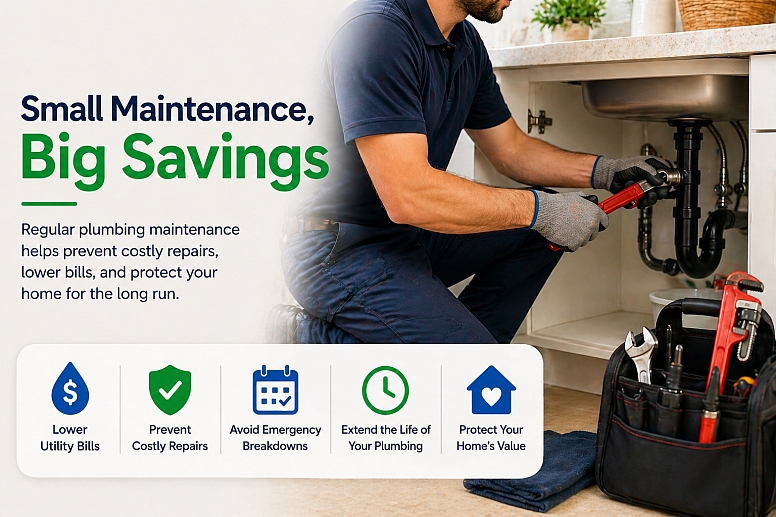
Regular plumbing maintenance isn’t an unnecessary expense; it’s a long-term investment. By preventing major repairs, lowering utility bills, improving efficiency, and extending the life of your system, you ultimately spend less over time.
Even scheduling a yearly inspection can make a noticeable difference in both performance and cost savings. It’s a simple step that pays off in reliability, comfort, and financial security.
Partnering with a reliable local plumber when needed ensures your home stays efficient, safe, and problem-free. In the end, a little maintenance today can save you a lot of money tomorrow.
Categories
Recent Posts







0.0923