
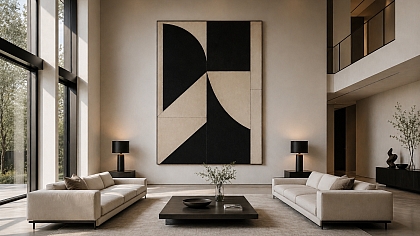

Using Crazy Pave Tiles in Exterior Design
Crazy pave tiles, often called “crazy paving”, offer a distinctive and highly flexible approach to exterior design. Unlike traditional paving systems that rely on uniform shapes and strict alignment, crazy paving uses irregularly shaped stones or tiles fitted together like a puzzle. The result is a surface that feels organic, artistic, and deeply connected to natural landscapes.
From garden paths and patios to courtyards and pool surrounds, crazy pave tiles have become a popular choice for designers and homeowners looking to create outdoor spaces with character and texture.
What Are Crazy Pave Tiles?
Crazy pave tiles are essentially broken or irregular stone pieces arranged in a random or semi-random pattern and set in mortar or concrete. Materials commonly used include sandstone, limestone, slate, granite, and sometimes porcelain pieces designed to mimic natural stone. The defining feature is not the material itself but the layout: instead of uniform bricks or slabs, the surface is composed of irregular polygons that fit together in a mosaic-like pattern.
This technique has been used for centuries, particularly in Mediterranean and Asian architecture, where natural stone offcuts were repurposed into functional surfaces. Today, it is both a sustainable building method and a design statement.
Aesthetic Appeal in Exterior Spaces
One of the strongest advantages of crazy paving is its visual uniqueness. No two installations are ever identical, giving each project a bespoke, handcrafted quality. The irregular geometry breaks the rigidity of modern architecture, introducing softness and movement into outdoor environments.
In gardens, crazy pave tiles blend seamlessly with greenery, reinforcing a natural aesthetic. The uneven lines mimic organic forms found in nature, such as cracked earth, riverbeds, or stone outcrops. When used around homes with minimalist or contemporary architecture, crazy paving creates a striking contrast that prevents outdoor spaces from feeling overly sterile.
Color variation is another major design benefit. Because crazy paving often uses natural stone, each piece carries unique tones and textures. When combined, these variations produce a rich, layered surface that changes subtly with light and weather conditions.
Practical Benefits Beyond Appearance
While crazy paving is often chosen for its looks, it also offers practical advantages. One of the most important is durability. Natural stone materials such as granite and slate are extremely strong and weather-resistant, making them suitable for outdoor environments exposed to sun, rain, and temperature fluctuations.
Another advantage is adaptability. Because the pieces are irregular, crazy paving can be installed over uneven or irregularly shaped areas more easily than uniform slabs. This makes it ideal for gardens with curved edges, sloped surfaces, or organic layouts where standard paving would require excessive cutting and waste.
Slip resistance is also a key benefit. The textured surface and natural joints between stones provide better grip, making crazy pave tiles a strong choice for pool surrounds, garden steps, and shaded walkways that may become wet.
Design Applications in Outdoor Spaces
Crazy paving can be used in a wide variety of exterior design contexts. One of the most common applications is garden pathways. A winding, crazy paved path can guide movement through a garden while maintaining a natural, informal feel. Unlike straight concrete paths, it encourages exploration and slows the pace of movement, enhancing the sensory experience of the landscape.

Patios are another popular use. A crazy paved patio becomes a focal point of outdoor living spaces, especially when paired with simple, modern furniture that allows the flooring to stand out. The irregular pattern adds depth and interest without the need for additional decoration.
Pool surrounds benefit significantly from crazy paving as well. Natural stone stays cooler underfoot compared to some manufactured materials, and the non-uniform surface reduces slipping hazards. When combined with lush planting or water features, crazy paving helps create a resort-like atmosphere.
Driveways can also be designed using thicker, load-bearing versions of crazy paving. While this requires careful installation, the result is a highly distinctive entrance that elevates the entire property’s curb appeal.
Installation Considerations
Although crazy paving appears random, successful installation requires planning and skill. The first step is selecting an appropriate stone. Thickness, strength, and surface finish must be suitable for the intended use. For example, a driveway requires much thicker stone than a decorative garden path.
During installation, pieces are laid out like a jigsaw puzzle before being fixed in place. This dry-laying stage is crucial for achieving a balanced distribution of shapes, colors, and joint widths. Once satisfied with the arrangement, the stones are set into a mortar base.
Grouting also plays a significant role in the final appearance. Wide joints filled with mortar create a more rustic look, while tighter joints produce a more refined finish. Some designers even incorporate ground cover plants such as thyme or moss between stones to enhance the natural effect.
Drainage must also be considered carefully. Because crazy paving includes multiple joints, proper base preparation ensures water flows away efficiently and does not undermine the structure over time.
Design Styles and Creative Variations
Crazy paving is highly versatile and can suit a range of design styles. In rustic or Mediterranean gardens, warm-toned sandstone or limestone is often used to create a sun-worn, earthy feel. In contrast, modern landscapes may use cooler-toned slate or granite for a more contemporary appearance.
Some designers mix materials intentionally, combining different stone types to create contrast and pattern variation. Others introduce geometric order within the randomness, such as aligning certain edges or creating subtle directional flows.
Lighting can also enhance crazy paved surfaces dramatically. Low garden lighting placed along pathways highlights texture and shadow, emphasizing the depth of the stone arrangement at night.
Sustainability and Environmental Value
Crazy paving is often considered a sustainable design choice, particularly when using reclaimed or offcut stone. By repurposing irregular pieces that might otherwise go to waste, it reduces material consumption and supports environmentally conscious construction practices.
Its long lifespan also contributes to sustainability. Properly installed natural stone paving can last decades with minimal maintenance, reducing the need for replacement and repair.
Crazy pave tiles offer a powerful combination of beauty, practicality, and flexibility in exterior design. Their irregular patterns bring a sense of natural artistry to outdoor spaces, while their durability and adaptability make them suitable for a wide range of applications. Whether used in a small garden pathway or a large outdoor courtyard, crazy paving transforms ordinary surfaces into expressive, textured landscapes.
For designers and homeowners seeking a balance between structure and spontaneity, crazy pave tiles remain one of the most compelling choices in modern exterior design.
Categories
Recent Posts





0.0859