

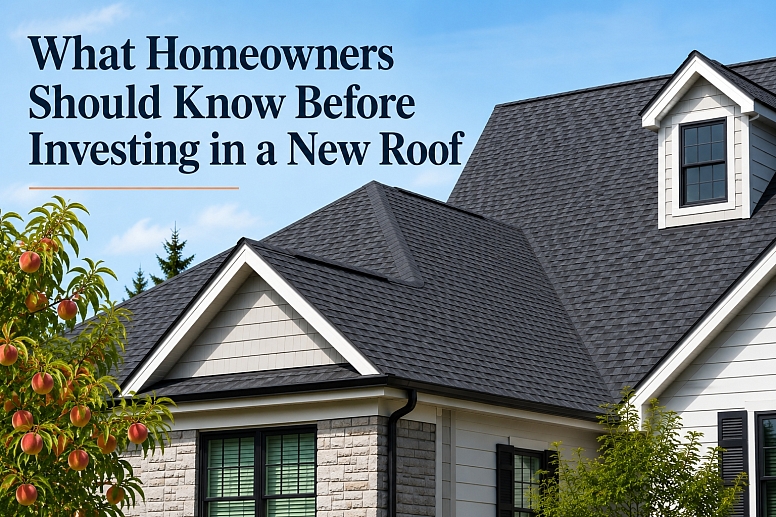
What Homeowners Should Know Before Investing in a New Roof
Replacing a roof is one of the largest maintenance decisions many homeowners will ever make. Unlike cosmetic upgrades that focus mainly on appearance, roofing projects directly affect a home’s structural protection, energy efficiency, resale value, and long-term maintenance costs. Yet despite its importance, many homeowners begin the process without fully understanding what influences roofing quality and project outcomes.
A roof replacement is not simply about installing shingles. The process involves careful planning, material selection, ventilation considerations, workmanship standards, and ongoing maintenance practices that all contribute to the overall performance of the roofing system.
For homeowners in areas that experience heat, humidity, storms, and seasonal weather changes, understanding the fundamentals of roofing can help prevent expensive mistakes and ensure a better long-term investment.
Why Roofing Decisions Matter More Than Many Realize
Roofs serve as a home’s primary defense against the elements. Even small failures can allow moisture intrusion that gradually damages insulation, ceilings, walls, and structural components.
Unfortunately, roofing problems often remain hidden until visible signs appear inside the home. By the time water stains or leaks become noticeable, underlying deterioration may already exist.
A properly installed roof provides benefits that extend beyond weather protection, including:
- Better indoor temperature regulation
- Improved energy efficiency
- Reduced maintenance costs
- Enhanced curb appeal
- Increased property value
- Greater storm resistance
Because roofing systems affect so many aspects of a home, selecting the right contractor and materials becomes especially important.
Common Reasons Roofs Need Replacement
Not every roofing issue requires full replacement, but there are situations where repairs may no longer be the most cost-effective option.
Age of the Roof
Most roofing materials have expected service lifespans. Asphalt shingles may last two to three decades, depending on installation quality, ventilation, and climate conditions.
Repeated Storm Damage
Frequent exposure to strong winds, hail, and heavy rain can gradually weaken roofing systems over time.
Water Intrusion
Persistent leaks often indicate deeper problems beneath the visible roofing surface.
Structural Sagging
Sagging rooflines may signal moisture damage or weakened support structures.
Rising Energy Costs
Older roofing systems and poor ventilation can reduce insulation efficiency, forcing HVAC systems to work harder.
Understanding these warning signs allows homeowners to make proactive decisions before extensive interior damage occurs.
The Importance of Roofing Materials
Material selection plays a major role in determining how a roof performs over time.
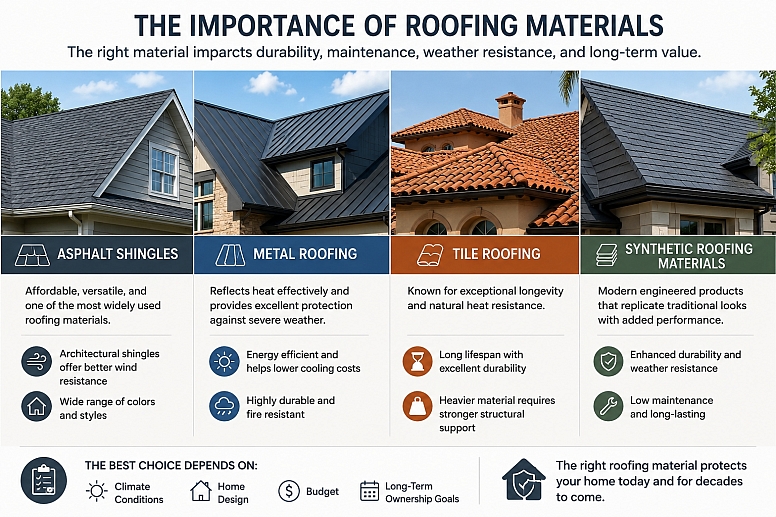
Different roofing systems offer varying levels of durability, maintenance requirements, and weather resistance.
Asphalt Shingles
Asphalt shingles remain one of the most widely used roofing materials due to their affordability and versatility. Architectural shingles often provide improved wind resistance and visual appeal compared to basic three-tab options.
Metal Roofing
Metal roofs are increasingly popular because they reflect heat effectively and offer strong resistance against severe weather conditions.
Tile Roofing
Tile roofing systems are known for longevity and heat resistance, though they typically require stronger structural support due to their weight.
Synthetic Roofing Materials
Modern synthetic products can mimic traditional roofing appearances while offering improved durability and lower maintenance needs.
The best material depends on climate conditions, home design, budget, and long-term ownership goals.
Why Ventilation Is Essential to Roof Longevity
Many homeowners focus entirely on shingles while overlooking the role ventilation plays in roof performance.
Poor attic ventilation can trap moisture and heat inside the home, leading to:
- Mold growth
- Premature shingle deterioration
- Warped decking
- Increased cooling expenses
- Reduced insulation effectiveness
Proper airflow helps maintain stable attic temperatures and reduces excess moisture buildup.
Balanced systems typically combine:
- Ridge vents
- Soffit vents
- Gable vents
- Attic fans where appropriate
Without proper ventilation, even high-quality roofing materials may fail prematurely.
What to Look for in a Roofing Contractor
Choosing the right contractor often has a greater impact on roof performance than the materials themselves. Poor installation can shorten the lifespan of otherwise durable roofing products.
Homeowners should evaluate several factors before hiring a roofing company.
Experience and Local Knowledge
Roofing contractors familiar with regional weather conditions often provide better recommendations for materials and installation methods.
Licensing and Insurance
Verifying insurance coverage and licensing helps protect homeowners from liability during the project.
Clear Communication
Reliable contractors explain timelines, expectations, warranties, and project details clearly.
Detailed Inspections
Comprehensive evaluations help identify hidden issues that may affect installation quality.
Warranty Options
Understanding workmanship and manufacturer warranties can provide additional peace of mind.
Homeowners searching for information about roofing standards, maintenance considerations, and project planning may benefit from reviewing resources.
Questions Homeowners Should Ask Before Starting a Roofing Project
A roofing project represents a major financial investment, so asking the right questions beforehand can prevent misunderstandings later.
Helpful questions include:
- What roofing materials are best suited for the local climate?
- Will damaged decking be replaced if discovered?
- How will ventilation be addressed?
- What warranties are included?
- What is the estimated project timeline?
- How will debris and cleanup be handled?
- What maintenance will the new roof require?
Clear answers to these questions help homeowners better understand the scope of the project and avoid unexpected surprises.
Preventative Maintenance After Installation
Even new roofs require ongoing maintenance to maximize their lifespan.
Keep Gutters Clean
Blocked gutters can force water beneath roofing materials and create moisture problems.
Trim Nearby Trees
Overhanging branches may damage shingles during storms or deposit debris that traps moisture.
Schedule Regular Inspections
Periodic inspections help identify small problems before they become expensive repairs.
Monitor Attic Conditions
Checking for moisture, mold, or poor airflow can help prevent hidden roofing damage.
Address Minor Repairs Quickly
Small issues often become much more costly when ignored.
Routine maintenance protects the investment and helps preserve the roof’s long-term performance.
Roofing and Home Value
A well-maintained roof can significantly influence property value and buyer confidence.
Potential homebuyers often view roofing condition as a major factor during inspections. An aging or damaged roof may create concerns about future repair costs and overall property maintenance.
A newer roofing system can improve:
- Exterior appearance
- Energy efficiency perception
- Insurance eligibility
- Buyer confidence
- Overall resale potential
Even homeowners with no immediate plans to sell benefit from maintaining strong roofing systems because it protects the home’s structural integrity over time.
Understanding the Long-Term Investment
Many homeowners initially focus only on installation cost when comparing roofing options. However, the least expensive option is not always the most economical over the long term.
Factors that contribute to overall roofing value include:
- Material lifespan
- Maintenance frequency
- Energy efficiency
- Storm resistance
- Repair costs over time
- Warranty coverage
Investing in quality installation and durable materials often reduces future expenses while improving overall comfort and protection.
Roofing projects involve far more than replacing shingles. Proper planning, material selection, ventilation, installation quality, and maintenance all contribute to how well a roofing system performs over time.
Homeowners who understand the basics of roofing are better prepared to make informed decisions that protect their property and reduce long-term repair costs. Whether evaluating roof damage, planning a replacement, or simply maintaining an existing system, taking a proactive approach can help extend the life of the roof and improve the overall value of the home.
With careful attention to quality workmanship and preventative care, homeowners can create a safer, more efficient, and more durable living environment for years to come.
Categories
Recent Posts




0.0791