

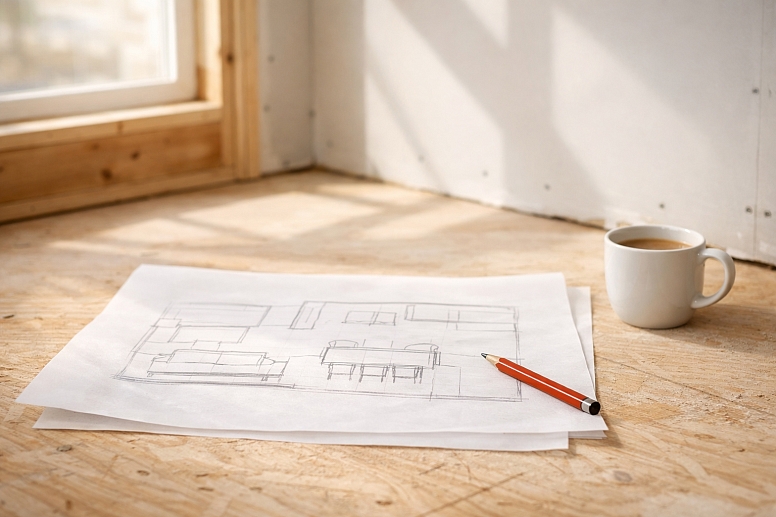
Home Renovation: What to Plan Before You Start
Starting a home renovation is one of those projects that feels exciting until the dust starts flying and nothing goes according to plan. But it doesn't have to be that way. Whether you're refreshing interiors, trying to cut down on energy bills, or rethinking the entire layout of your space, a little structure goes a long way.
Renovation projects have a way of spiralling when expectations aren't clear, and communication breaks down. But when everything's planned well, you avoid the stress, skip most of the delays, and somehow manage to stay somewhere near your budget.
Most homeowners jump in with a clear vision of how things will look when it's done. New cabinets. Fresh paint. That tile they've been saving on Pinterest for two years. What's harder to picture beforehand is the preparation it takes to get there. A good renovation isn't really about finishes or trends; it's about making the home work better for the people living in it.
Function comes first. Comfort comes first. The way light hits the new backsplash matters, sure, but not as much as knowing the plumbing won't fail six months later. When the planning gets the attention it deserves, what you're left with at the end is something that looks good and holds up to real life.
Figuring Out What the Renovation Is Actually For
Before anything gets demo'd, it helps to sit down and decide what this whole thing is really about. Some renovations are mostly cosmetic, such as flooring, paint, and lighting swaps. Simple stuff that changes how a place feels. Others dig deeper. New bathrooms. Insulation that actually insulates. Electrical systems that don't trip the breaker every time someone runs the microwave.
The scope of the work drives everything else: what it'll cost, how long it'll take, and which contractors need to get involved.
One thing that helps is making a list. Not a vague wishlist, but three columns: things that absolutely have to happen now, things that can wait until later, and things that would be nice if there's money left over.
It sounds obvious, but having that written down somewhere keeps the project from wandering into unnecessary territory when decisions need to be made fast.
Money and Time, and the Space Between Them
Budgets are never as simple as they look on paper. Something always comes up. Maybe it's water damage behind the old shower tiles. Maybe the wiring hasn't been touched since the 70s. Maybe the floors aren't as level as they seemed.
A smart renovation budget builds in room for that stuff, a buffer, 10 or 15 per cent, sitting there for when the unexpected shows up. Because it will show up. Planning for it ahead of time means not having to panic when it does.
Timelines are the same way. Renovations take longer than anyone wants them to. Materials get delayed. Contractors run behind on other jobs. One trade can't start until another one finishes, and that handoff never happens as smoothly as it should.
Setting realistic expectations from the beginning, understanding how the pieces fit together and how long each one actually takes, makes the whole process less frustrating.
Materials and Design Choices That Last
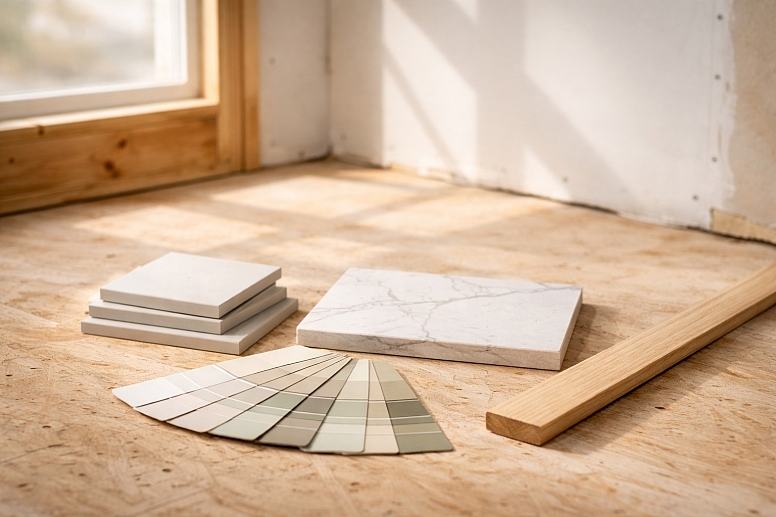
The stuff you put into a renovation matters more than almost anything else. Good materials cost more upfront, but they save money over time. Things that hold up to moisture, finishes that don't scratch the first time someone drags a chair across them, surfaces that clean up without a fight, those are the choices that make a renovation worth doing. Kitchens and bathrooms, especially. High-traffic areas need materials that can take a beating and still look fine.
Design is about more than what something looks like. Lighting matters. Storage matters. The way rooms connect to each other and how that affects daily life matters too. A renovation should make the space easier to live in, not just prettier to look at.
Bringing in the Right People
Renovations are complicated. There's demolition, construction, plumbing, electrical, finishing work, and cleanup, and every step depends on the one before it. Professional contractors exist because keeping all of that in the right order is genuinely hard. They catch mistakes before they turn into expensive problems. They know which inspections are required and when to schedule them. They've done it before, which means they know what's coming next.
For homeowners who want someone to handle the complexity without dropping the ball, it helps to work with experienced renovation specialists. Services like home renovation teams take the uncertainty out of the process. They bring structure to something that can easily turn chaotic, managing renovation work from start to finish with actual planning behind it.
A good renovation changes more than how a home looks. It changes how it feels to live there. More comfortable. More functional. Worth more if you ever sell. But that only happens when the project is treated like what it is, a complicated process that needs real planning.
Define the scope. Budget for the surprises. Pick materials that last. Bring in people who know what they're doing. Do those things, and the whole experience gets smoother, the delays get shorter, and the result at the end is something you're actually happy to live with.
Categories
Recent Posts






0.1282