
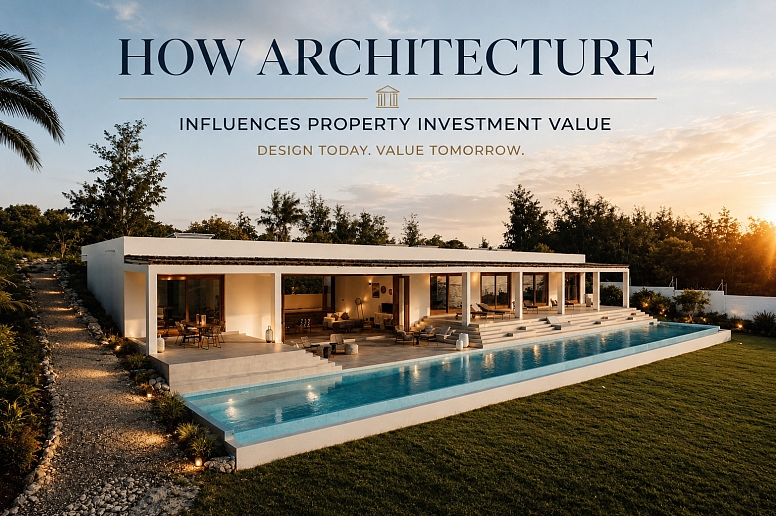
How Architecture Influences Property Investment Value
There was a time when property investment was mostly about one thing: location.
People would say things like, “Buy the worst house on the best street,” usually while standing next to wallpaper that looked as though it had survived three wars and two unfortunate decorating trends.
But today, architecture matters more than ever.
A property can sit in a fantastic location and still struggle to impress buyers if the design feels awkward, outdated, or simply uncomfortable to live in. On the other hand, a thoughtfully designed home can dramatically increase appeal, functionality, and long-term value.
In many ways, architecture has quietly become one of the most powerful investment tools in real estate.
And no, this does not mean every house needs an infinity pool hanging off a cliff in the Algarve; though admittedly, that does sound rather nice.
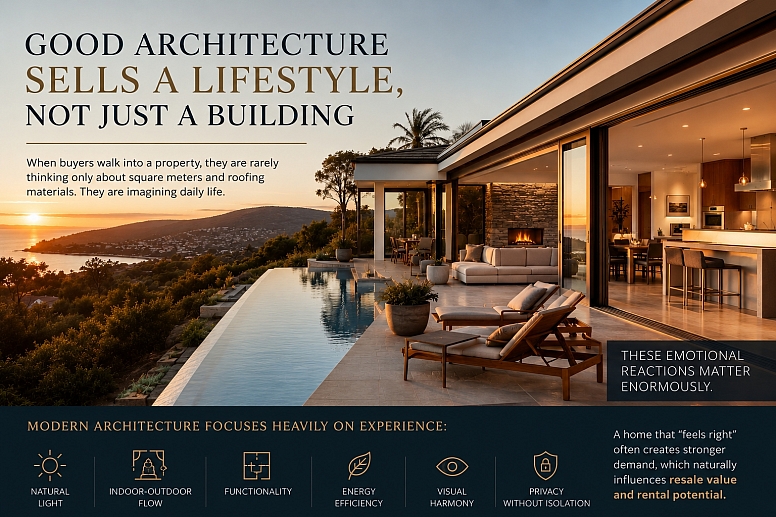
Good Architecture Sells a Lifestyle, Not Just a Building
When buyers walk into a property, they are rarely thinking only about square meters and roofing materials. They are imagining daily life.
Can they picture themselves enjoying morning coffee on the terrace?
Does the space feel calm and open?
Will the kitchen become a gathering place, or does it feel like a fluorescent-lit punishment chamber from 1994?
These emotional reactions matter enormously.
Modern architecture focuses heavily on experience:
- natural light
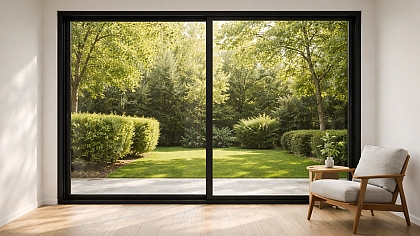
- indoor-outdoor flow
- functionality
- energy efficiency
- visual harmony
- privacy without isolation
A home that “feels right” often creates stronger demand, which naturally influences resale value and rental potential.
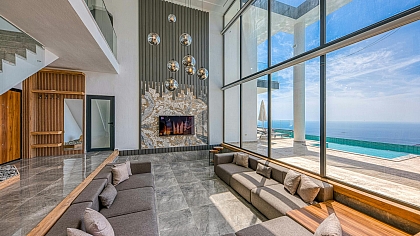
This is particularly visible in coastal and luxury markets, where design quality has become almost inseparable from property value. Projects such as this luxury seaside villa with modern interior design demonstrate how architecture can transform a property from simply expensive into genuinely desirable.
There is a difference.
A large house may impress people for five minutes.
A well-designed house can impress them for years.
Buyers Are Becoming More Design-Aware
The internet has changed expectations dramatically.
Twenty years ago, many buyers were perfectly happy with dark interiors, small windows, and kitchens hidden away like secret government facilities. Today, people spend hours browsing architectural inspiration online before even contacting an agent.
As a result, design literacy has increased.
Even buyers without architectural backgrounds now notice:
- poor room flow
- lack of storage
- awkward lighting
- inefficient layouts
- low ceilings
- outdated materials
In competitive markets, these details directly affect perceived value.
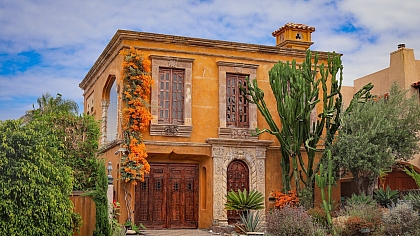
This is one reason why investors increasingly collaborate with professionals early in the planning stage. Working with an English-speaking architect in Portugal can be particularly valuable for international buyers who want to avoid expensive misunderstandings while creating a property that appeals to both local and global markets.
Because while “creative interpretation” may work in abstract art, it is considerably less charming when discussing plumbing placement.
Architecture and Rental Income Go Hand in Hand
Short-term rental platforms have also changed the investment landscape.
Today, visually striking homes perform exceptionally well online. People are drawn to properties that photograph beautifully and offer memorable experiences.
In many cases, architecture itself becomes part of the marketing.
A unique façade, elegant interior, panoramic windows, or seamless integration with nature can significantly improve occupancy rates and nightly pricing.
This is especially important in tourism-driven regions such as Portugal, where visitors increasingly seek properties that feel distinctive rather than generic.
A thoughtfully designed home can:
- attract better reviews
- justify premium pricing
- encourage repeat bookings
- stand out in crowded markets
Meanwhile, poorly designed properties often disappear into the endless sea of “adequate apartments with grey furniture.”
It is a harsh world out there for uninspired lighting fixtures.
Sustainability Is No Longer Optional
Modern buyers care deeply about energy efficiency and sustainability, and not only for environmental reasons.
Utility costs matter.
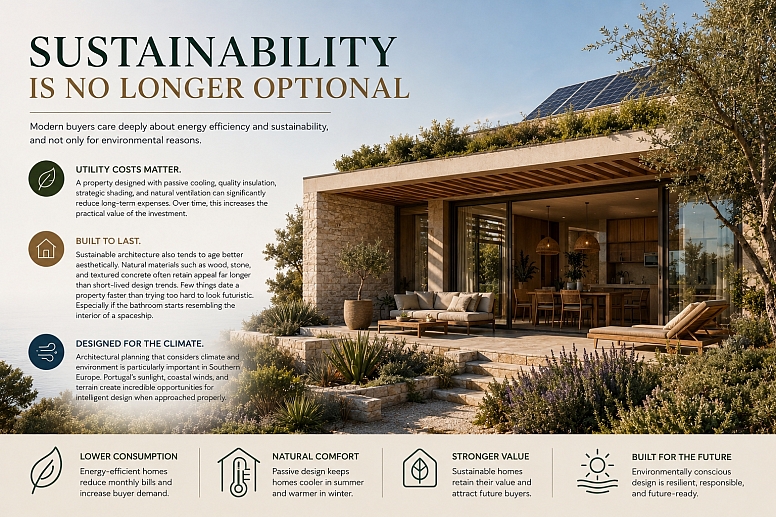
A property designed with passive cooling, quality insulation, strategic shading, and natural ventilation can significantly reduce long-term expenses. Over time, this increases the practical value of the investment.
Sustainable architecture also tends to age better aesthetically.
Natural materials such as wood, stone, and textured concrete often retain appeal far longer than short-lived design trends. Few things date a property faster than trying too hard to look futuristic.
Especially if the bathroom starts resembling the interior of a spaceship.
Architectural planning that considers climate and environment is particularly important in Southern Europe. Portugal’s sunlight, coastal winds, and terrain create incredible opportunities for intelligent design when approached properly.
Renovation Potential Depends on Design
Some properties become fantastic investments not because of what they currently are, but because of what they could become.
However, renovation success often depends heavily on architectural feasibility.
Can walls be opened safely?
Will natural light improve after the redesign?
Does the structure support modern layouts?
Can outdoor areas be integrated more effectively?
Good architectural vision helps investors recognize hidden potential that others may overlook.
This is why many experienced buyers now evaluate properties beyond cosmetic appearance. An outdated kitchen can be changed relatively easily. A structurally awkward layout is another matter entirely.
No amount of decorative cushions can save a house that feels fundamentally uncomfortable to live in.
The Emotional Side of Investment
One of the most underestimated truths in real estate is that emotion drives value far more than spreadsheets alone.
People remember how spaces make them feel.
A beautifully designed property creates atmosphere:
- calmness
- comfort
- aspiration
- warmth
- openness
- connection to surroundings
These emotional responses influence everything from buyer demand to social media visibility.
Ironically, some of the best-performing investments are properties that do not feel overly “investment-focused” at all. They feel personal, human, and livable.
That authenticity matters.
Especially today, when many buyers are tired of soulless developments that look as though they were designed entirely by accounting software.
Portugal’s Growing Appeal for Design-Led Investment
Portugal continues attracting international investors for many reasons:
- climate
- lifestyle
- safety
- growing tourism
- relatively competitive property prices compared to other Western European markets
But architecture is becoming an increasingly important part of the country’s appeal.
Modern Portuguese homes often blend:
- minimalist contemporary design
- natural materials
- Mediterranean influences
- strong indoor-outdoor connections
- respect for landscape and light
This creates properties that feel both luxurious and relaxed; a combination buyers find incredibly attractive.
Investors exploring opportunities can also benefit from studying broader market trends and emerging opportunities within the investment property sector, particularly as demand evolves toward design-focused living.
Because ultimately, people do not simply buy walls and roofs.
They buy the possibility of a better life inside them.
Final Thoughts
Architecture has become far more than a decorative element in real estate investment. It directly influences:
- resale value
- rental income
- buyer demand
- long-term maintenance costs
- emotional appeal
- sustainability
In today’s market, thoughtful design is not a luxury addition. It is often the difference between an average investment and an exceptional one.
A well-designed property ages gracefully, attracts stronger interest, and creates experiences people remember.
And while location will always matter, architecture increasingly determines what people are willing to pay once they arrive there.
After all, two houses may stand side by side with the same ocean view.
But if one feels like a peaceful retreat and the other feels like an office waiting room with decorative driftwood, the market will notice very quickly.
Categories
Recent Posts



0.0868