
How Modern AC Cheltenham Solutions Improve Indoor Comfort
Indoor comfort plays an important role in how people experience their homes and workplaces. During warm weather, excessive heat can make it difficult to sleep, concentrate, work, or simply relax. A reliable air conditioning system can help maintain a comfortable indoor environment while offering additional benefits such as better airflow, improved temperature control, and energy efficiency.
For homeowners and businesses in the area, modern air conditioning Cheltenham solutions offer a practical way to manage indoor temperatures throughout the warmer months. With advances in technology, today's systems are designed to provide more precise control, quieter operation, and greater efficiency than many older units.
Whether you are considering installing a new system or replacing an outdated one, understanding how modern air conditioning can improve comfort can help you make a more informed decision.
1. Consistent Indoor Temperatures
One of the most noticeable benefits of modern air conditioning is consistent temperature control. Older systems may struggle to cool an entire property evenly, leaving some rooms noticeably warmer than others.
Modern systems are designed to distribute conditioned air more effectively. With the right system size and professional installation, you can create a more balanced indoor environment throughout your home or business.
This is particularly useful in larger homes, open-plan living areas, offices, and commercial premises where maintaining a consistent temperature can otherwise be challenging.
A professional air conditioning Cheltenham service can assess the size and layout of your property before recommending an appropriate solution.
2. Better Control Over Your Comfort
Modern air conditioning systems provide more control than simply switching a unit on or off. Many systems include adjustable temperature settings, programmable timers, remote controls, and smart features.
This allows you to customise the temperature according to your preferences and daily routine.
For example, you can set the system to cool your home before you arrive from work rather than leaving it running unnecessarily throughout the day. Businesses can also program systems around operating hours to create a comfortable environment for employees and customers.
Greater control makes it easier to maintain a pleasant indoor temperature without constantly adjusting the system manually.
3. Improved Energy Efficiency
Energy efficiency is an important consideration when choosing an air conditioning system. Older units can consume significant amounts of energy, particularly if they are poorly maintained or inefficient by modern standards.
Newer systems are often designed to deliver effective cooling while using energy more efficiently. Features such as inverter technology can allow systems to adjust their output according to cooling demand rather than repeatedly switching between full operation and complete shutdown.
This can help reduce unnecessary energy consumption and may contribute to lower electricity costs over time.
However, efficiency depends on several factors, including correct sizing, installation, maintenance, insulation, and how the system is used. Choosing the right equipment for the property is therefore essential.
4. Quieter Operation
Nobody wants an air conditioner that becomes the loudest appliance in the room. Excessive noise can interfere with conversations, sleep, study, or concentration.
Modern air conditioning systems are generally designed with quieter components and improved airflow technology. This can make them suitable for bedrooms, living rooms, home offices, and workplaces where maintaining a peaceful environment is important.
A quieter system allows you to enjoy the benefits of cooling without constantly being reminded that the equipment is operating.
When comparing air conditioning options, homeowners should consider both cooling performance and operating noise.
5. Improved Airflow
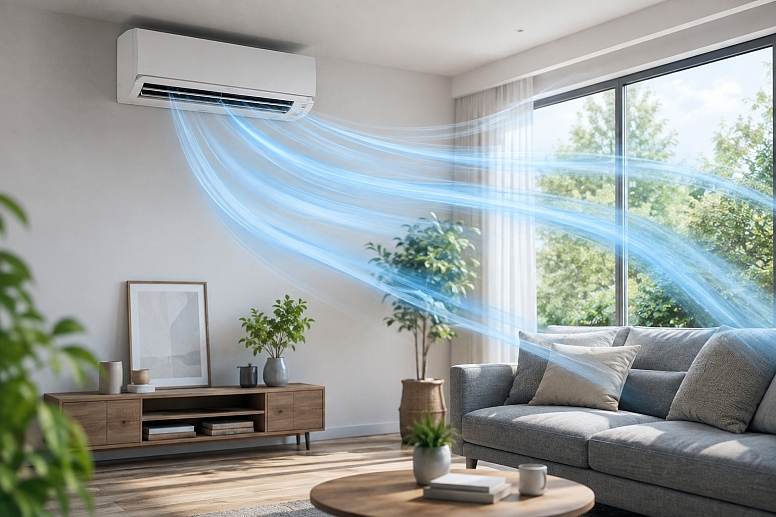
Effective cooling is not simply about producing cold air. Air needs to circulate properly throughout the room to create a comfortable environment.
Modern systems can provide improved airflow management, helping distribute conditioned air more effectively. Depending on the type of system selected, adjustable vents and different fan settings can give users greater control over how air moves through a space.
Good airflow can help reduce uncomfortable hot spots and improve the overall feeling of the room.
Professional installation is particularly important because poor positioning of indoor or outdoor units can affect system performance.
6. Better Indoor Air Quality
Air conditioning can also play a role in indoor air quality. Many modern systems include filters designed to capture dust and other airborne particles as air passes through the unit.
Clean filters allow the system to operate more effectively and can help maintain cleaner indoor air. However, filters need regular cleaning or replacement according to the manufacturer's recommendations.
Indoor air quality also depends on ventilation, cleaning habits, humidity, and other environmental factors. Air conditioning should therefore be considered part of a broader approach to maintaining a comfortable indoor environment.
Regular servicing can help ensure the system remains clean and operates as intended.
7. Temperature Control for Different Areas
Every room in a property may have different cooling requirements. A bedroom might need cooling at night, while a home office may require it during working hours.
Modern systems can provide options for more targeted temperature management. Multi-split systems, zoning solutions, and other configurations can allow different areas to be managed according to individual needs.
This can be especially useful for families where different people prefer different temperatures.
For commercial properties, separate temperature control can also help create comfortable conditions across offices, meeting rooms, retail areas, and other spaces.
8. Smart Technology and Convenience
Technology has changed the way people interact with air conditioning systems. Many modern units offer smart controls that allow users to manage temperature settings through remote controls, mobile applications, or integrated home automation systems.
This can make everyday operation much more convenient.
Imagine leaving home in the morning and realising that you forgot to adjust the air conditioner. With a compatible smart system, you may be able to change the settings remotely before returning.
Smart features can also help users monitor operation and create schedules that match their lifestyle. These conveniences can make modern air conditioning easier and more efficient to manage.
9. A More Comfortable Working Environment
Indoor comfort is not only important at home. Offices, shops, restaurants, clinics, and other commercial spaces also need effective temperature control.
An excessively hot workplace can make employees uncomfortable and may affect concentration and productivity. Customers may also be less likely to enjoy spending time in a business if the indoor environment is unpleasant.
A properly selected air conditioning system can help maintain a comfortable environment for employees, customers, and visitors.
Businesses considering air conditioning solutions should consider factors such as building size, occupancy, operating hours, and the layout of different areas when selecting a system.
10. Long-Term Comfort and Reliability
Installing a modern air conditioning system is an investment in long-term comfort. A suitable system, combined with professional installation and regular maintenance, can provide reliable cooling for many years.
Routine servicing can help identify potential problems before they become major faults. It can also help keep filters, coils, electrical components, and other parts in good working condition.
Ignoring maintenance may lead to reduced performance, increased energy consumption, unusual noises, or unexpected breakdowns.
Simple steps such as cleaning filters, keeping outdoor units clear of obstructions, and arranging professional servicing can help protect your investment.
Choosing the Right Air Conditioning System for Your Property
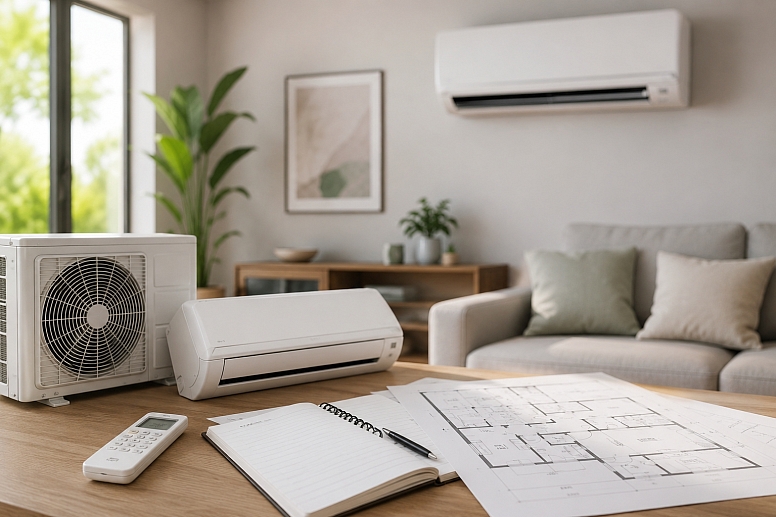
With different types of air conditioning available, selecting the right option can sometimes feel overwhelming. Split systems may suit individual rooms, while multi-split or ducted solutions may be more appropriate for larger properties.
The right choice depends on factors such as the size of the space, insulation, room layout, budget, usage patterns, and desired level of control.
Professional advice can help you avoid choosing a system that is too small or unnecessarily large for your property. Correct sizing is particularly important because an unsuitable system may struggle to maintain the desired temperature or use more energy than necessary.
Before making a decision, ask about installation requirements, energy efficiency, maintenance, warranties, operating costs, and expected performance.
Modern air conditioning can significantly improve indoor comfort by providing consistent temperatures, better airflow, quieter operation, convenient controls, and improved energy efficiency. For homes and businesses, these advantages can make a noticeable difference during warmer weather.
Choosing the right system is only part of the process. Professional installation, correct sizing, regular maintenance, and responsible use all contribute to long-term performance.
If you are researching air conditioning options, consider your property's specific requirements rather than choosing a system based solely on price. A well-designed solution can provide comfortable indoor temperatures while offering greater convenience and efficiency.
With the right approach, modern air conditioning can become more than a way to cool a room. It can help create a comfortable, practical, and enjoyable indoor environment for everyday living and working.
Categories
Recent Posts






0.0817